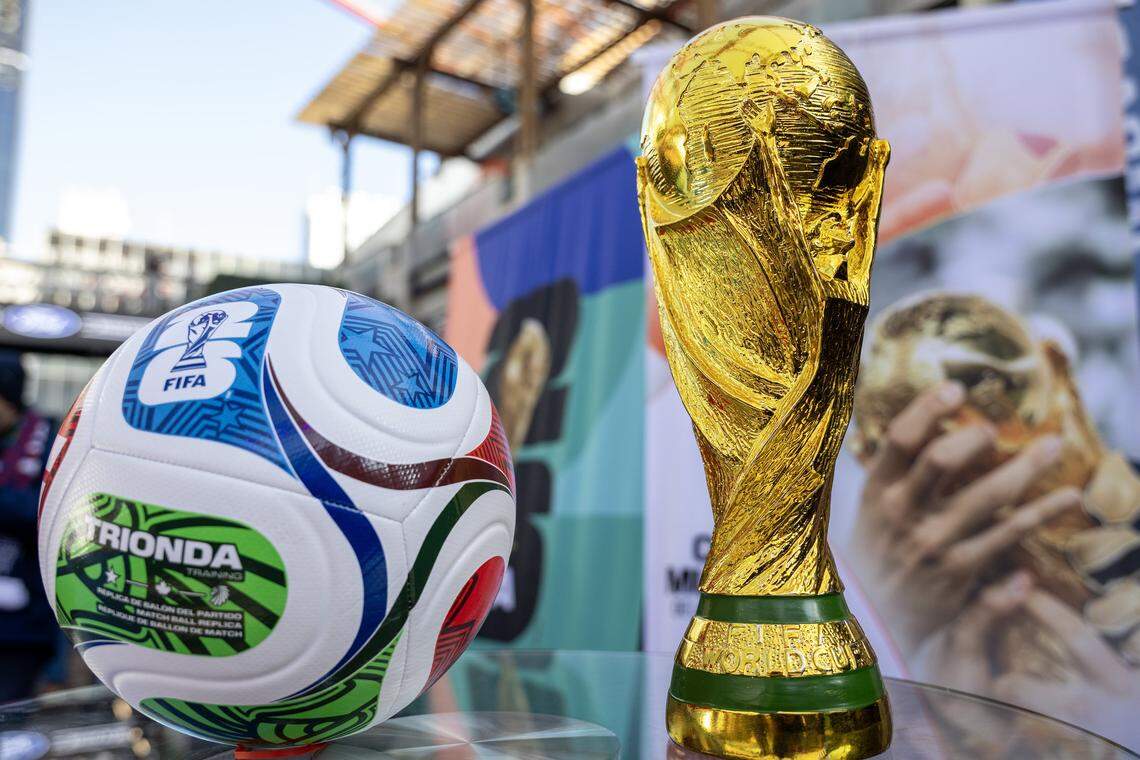

The countdown for the FIFA World Cup 2026 has begun, with the event set to take place June 11 through July 19. For the first time ever, the World Cup will be hosted by Canada, Mexico and the United States, a decision that is expected to bring in billions of viewers from around the globe.
“I think that the World Cup brings people around the world together,” freshman Meryan Elbakry said.
The World Cup 2026 is organized by FIFA, the sports governing body that organizes soccer events all over the world. The 2026 tournament will also be the first World Cup to feature 48 teams instead of the traditional 32. All the teams have been selected and are expected to play in this year’s world cup.
Qualified teams include Japan, Saudi Arabia, Argentina, Brazil, Belgium, Croatia, England, France, Germany, Netherlands and Switzerland, among others.
One of the most popular teams is Brazil, which has won five World Cup titles; Brazil is considered the most successful country in FIFA World Cup history, winning in 1958, 1962, 1970, 1994 and 2002. Other popular teams include Germany and Italy, each with four titles, followed by Argentina which has three.
“I’m so excited to watch some of the popular teams play at the World Cup,” sophomore Perrey Goldman said.
Matches will take place in 16 major cities across the three host countries, including Toronto, Vancouver and Monterrey in Canada; Guadalajara and Mexico City in Mexico; and Atlanta, Boston, Dallas, Houston, Kansas City, Los Angeles, Miami, East Rutherford, Philadelphia, San Francisco and Seattle in the U.S. There will be a total of 104 matches across 16 cities instead of the traditional 64 matches.
These cities are likely to experience an influx in tourism throughout the duration of the World Cup. Based on past years of the World Cup, it is expected that the tournament will help raise billions of dollars for the cities. For instance, the last World Cup in Qatar in 2022 generated about $7.57 billion dollars. This year’s World Cup is expected to generate between $8.9-10.9 billion dollars. The World Cup will even help people in need by offering part time and temporary jobs.
Other than economics, this World Cup is expected to unite many people and cultures. Over the years, soccer in the U.S. has gained a lot of attention and major league teams are now incorporating the youth into some of their programs. This includes Major League Soccer (MLS) youth soccer, which is considered the top-tier development platform for elite players throughout U13-U19 across the U.S. and Canada.
Security and transportation are also very important to every World Cup event. With millions of people traveling to major cities and going to other countries, organizers such as FIFA are coordinating to ensure a smooth and safe travel experience for fans. The U.S. Department of Transportation (DOT) is already providing $100 million in grants to support transportation in host cities, focusing on moving fans efficiently. Overall, security involving federal and local agencies are focused on protecting millions of visitors, managing large-scale crowds and ensuring safe, efficient transport.
As this World Cup approaches, fans are starting to buy tickets to get the best seats for the best price. Ticket prices range depending on the game, as well as the location of the seat. For example, sitting front row at a U.S. final game will probably cost over $1,000 due, in part, to a high demand for U.S. tickets. Group Stage will range between $100–$575 per ticket, with some, such as the Canada opener, costing up to $715–$1,745+.
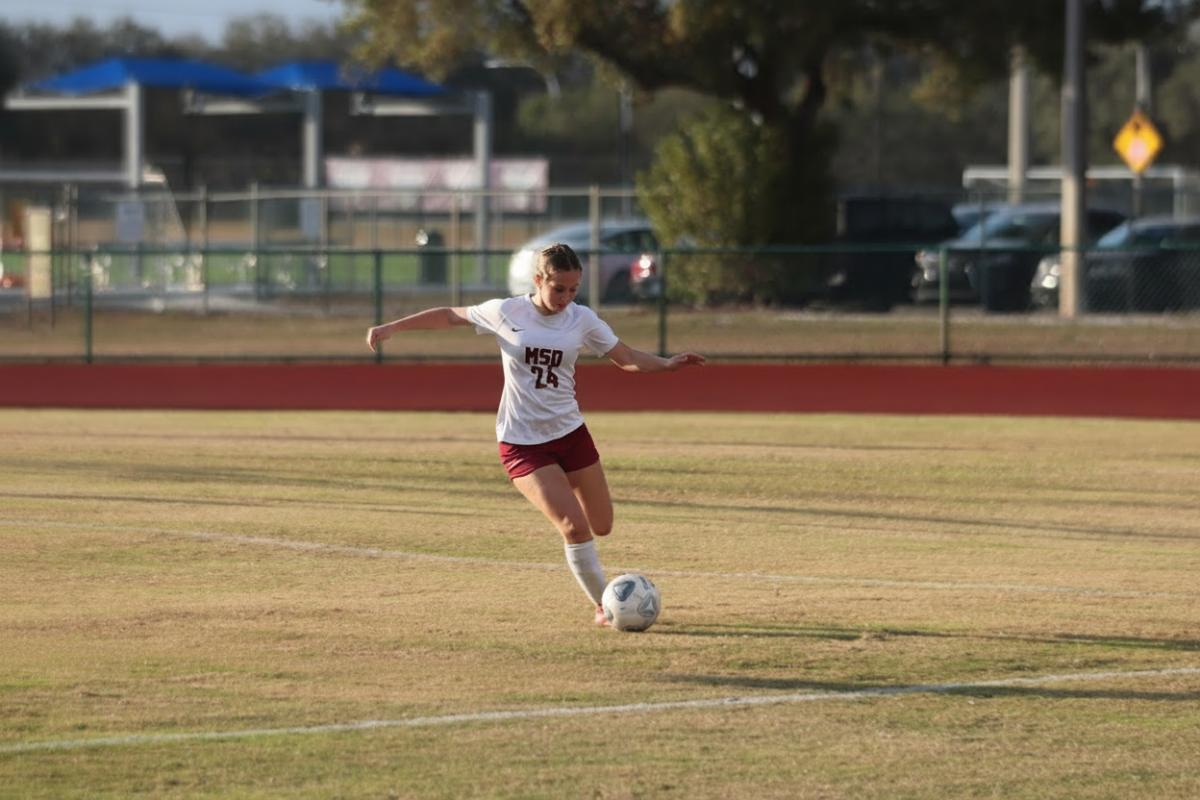
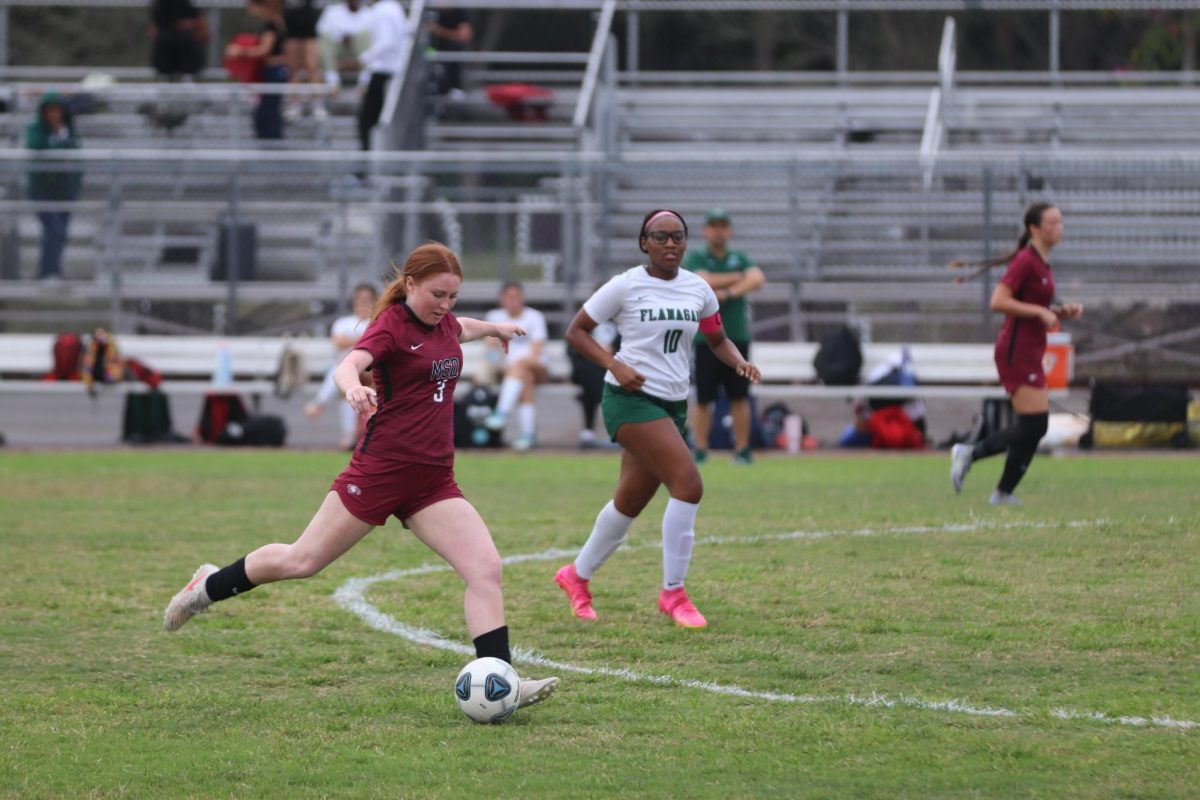
“I recently just bought some World Cup tickets because me and my family love soccer so much and so do I since I play on MSD’s JV soccer team,” freshman Sabrina Friedman said.
Knockout Phase Tickets for the 16th round range from $220–$890, while quarter-final matches start at $410 and can reach $1,690+. The cheapest tickets for the final are reported at $4,185, with some tickets reaching over $8,680. Tickets in Miami at Hard Rock Stadium are among the highest, at an average of $1,217. Resale Market has high demand as well, driving up prices significantly, with some resale tickets exceeding $3,000 for group matches.
This 2026 World Cup represents more than just a soccer game — countries and fans are coming together and celebrating their love for soccer together.


![Air It Out. Goalie Matteo Swetsky (16) passes the ball out of the defensive zone against Miami Country Day School on Thurs., March 26. It was a special occasion, as it was Senior Night, where the seniors were honored for their dedication to the men's varsity lacrosse team. "It was pretty sad seeing them [seniors] go," Swetsky said. "I had a lot of fun playing with them and hanging out with them this year."](https://eagleeye.news/wp-content/uploads/2026/04/kn9PDQ9bftlHl8ZyszGDNF5vKdUYiQoIcqXY4QLk-1200x843.jpg)