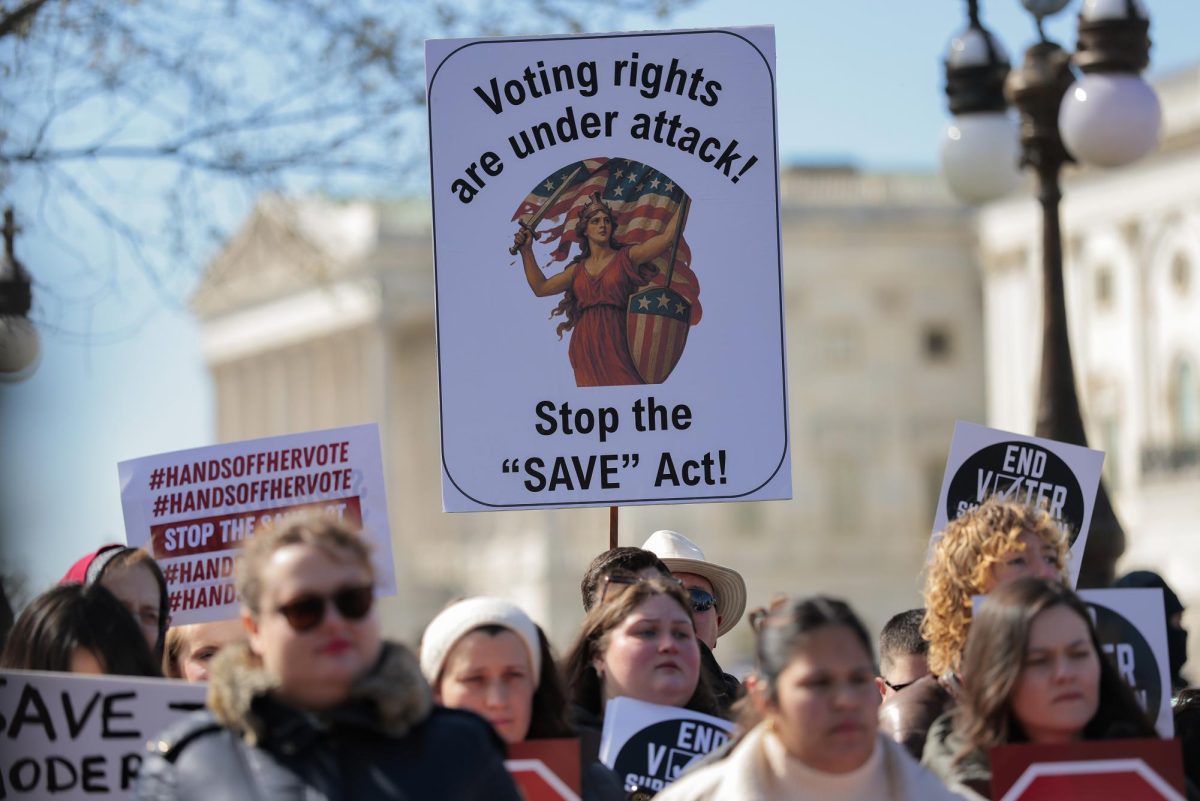

House of Representatives (H.R.) 22, The Safeguard American Voter Eligibility (SAVE) Act, was introduced by Rep. Chip Roy (R-Texas) on Jan. 3, 2025. The act was passed by the House of Representatives last year on April 10, and a second version of it is now stalled in the Senate. The act was created with the intention of making American voting more reliable and trusted.
The act will require every qualified voter to provide documentary proof of citizenship, like a passport or birth certificate, to register to vote, even though it is already required that voters verify their citizenship when registering to vote.
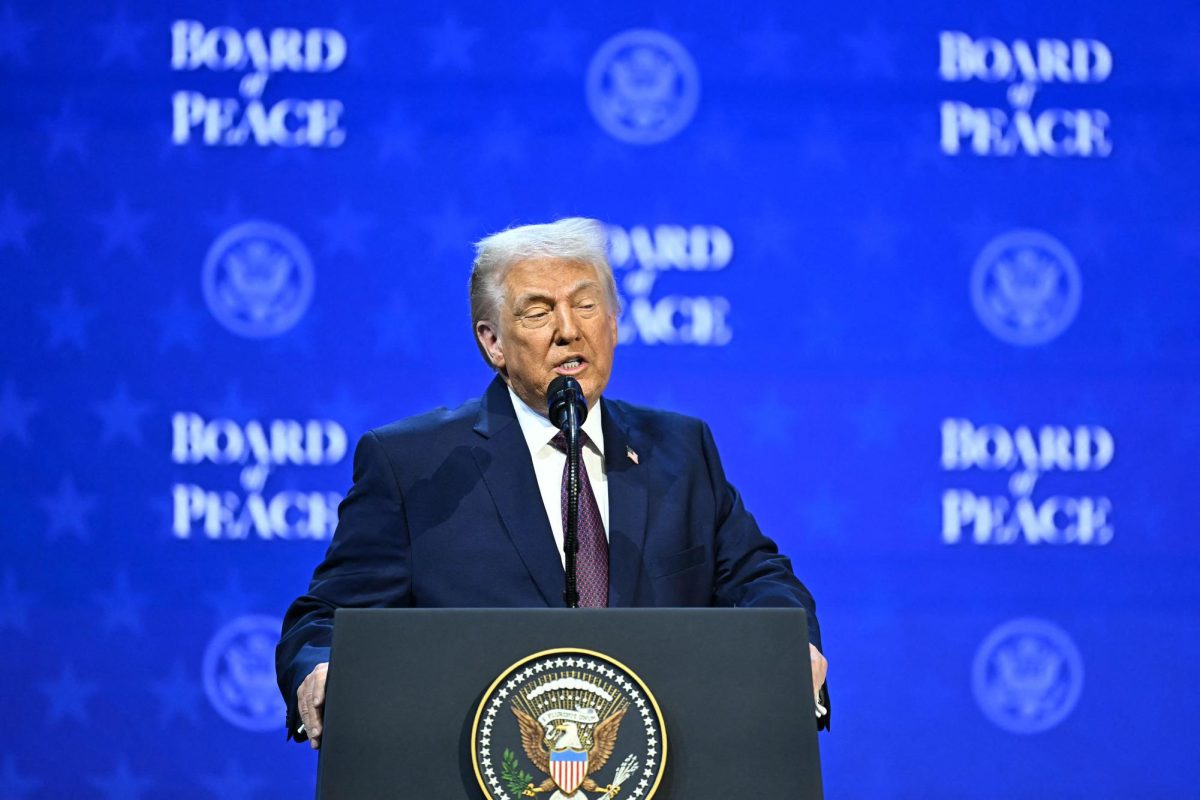
The creators of the act want to restrict voting to only eligible U.S. citizens. Specifically, they want to protect voting, and U.S. citizens, from illegal immigrants whom President Donald Trump has falsely claimed are at voting sites.
Further, SAVE is not the only plan Trump has in store to restrict the right to vote. Recently, he has been preparing to issue a 17-page executive order written in coordination with far-right activists and conspiracy theorists that cites unconfirmed claims that China interfered in the 2020 election.
“We in Congress have a duty to our fellow citizens to provide that confidence and put concrete enforcement in place to ensure that our elections and our sovereignty cannot be hijacked and influenced by foreign nationals who have no business voting in this country,” Roy said.
The SAVE Act stalled in the Senate and ultimately failed to move forward in 2025 following widespread backlash. So, on Jan. 30, Senators John Cornyn (R-Texas), Mike Lee (R-Utah) and Roy introduced the SAVE America Act, or SAVE Act 2.0, which likewise focuses on voter regulation but to a stricter extent than the original act.
This act, like the original, requires voters to show documentary proof of citizenship when registering to vote. It also requires voters to show photo ID at the time of voting and is consequently expected to pose substantial implications for mail-in voting — an option used by people with disabilities as well as by others who may not be able to vote in-person on election days.
Further, the act mandates that every state run its voter database through the Department of Homeland Security’s Systematic Alien Verification for Entitlements (SAVE) System. This system allows the government to verify voter citizenship. Sometimes, these systems wrongly mark people who are eligible to vote as illegal voters; critics say this creates voting fear.
The act will additionally require states to submit their voter rolls to the Department of Homeland Security regularly.
Although these acts were created to ensure voter validity, they will have significant consequences for many Americans. Ten-percent of U.S voters cannot easily provide proof of citizenship. Some Americans will be unwilling to renew their documents, leaving them unable to vote. Meanwhile, passports and other documentation cost money to obtain, leaving some voters unable to afford to vote despite being willing.
Specifically, these bills will limit women and transgender people from voting. These acts require that the names on passports or birth certificates match the names on driver’s licenses and IDs. Millions of women have changed their last names after marriage, while many transgender people have legally changed their names. Therefore, the names these groups have on their driver’s licenses will not match the names on their birth certificates.
“The SAVE America Act is just to get people who have different names on different documents not to vote,” freshman Charlie Klitsberg said. “Women and trans people will be especially effective since women tend to change their last names upon marriage and trans people change their first names. So, most men will be able to vote, and that is extremely awful that the government is trying to leave out women and trans people.”
These acts are extremely controversial in the U.S. Many believe that they are simply ensuring voters have citizenship, while others argue that they are stripping people of their rights.
“I believe that the SAVE America Act goes against what the amendments stand for along with the Constitution,” freshman Antonella Fernandez said. “This Save America Act is completely unconstitutional and, according to the 19th Amendment, women are allowed to vote, not just men by the way. Trans people are either male or female so they’re allowed to vote, and this country is built by immigrants, so I do not see the point in making white American men vote only.”
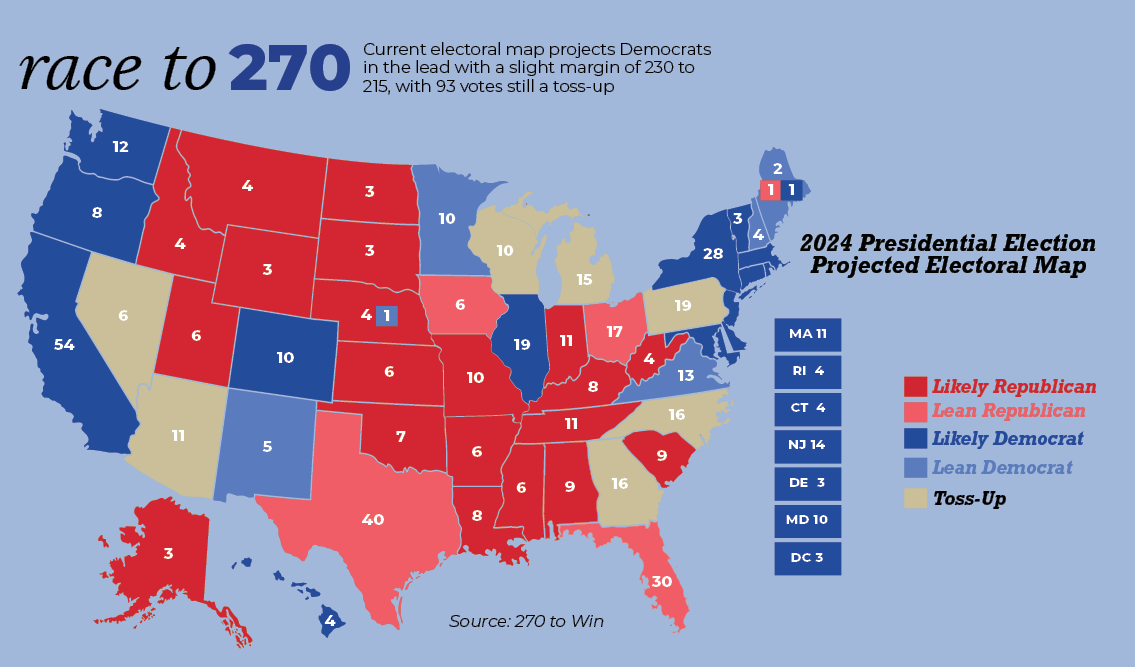
As many minority groups, including immigrants, are Democrat voters, voting patterns will be disproportionately affected, favoring Republican candidates.
The SAVE America Act is receiving intense backlash and negativity. As of late March the act is still in the Senate. The possibility of a filibuster is likely. However, if it is passed by the Senate and Trump signs it into law, which is expected, then it will have major effects on voting. In fact, it is reported that Trump plans to use information pertaining to the allegation that China interfered with the 2020 election as a basis for declaring a national emergency and banning the use of mail-in ballots and voting machines. This would be just one potential effect of the SAVE America Act.