

According to the 2025-26 District Budget, Broward County Public Schools (BCPS) allocated $68.5 million to technology from 2015-2020, delivering 83,000 computers to 209 schools while aiming to spend nearly an additional five million dollars in the following five years. This massive and costly technological push has resulted in smartboards and computers in classrooms becoming commonplace tools. However, corporations, not BCPS students, are the group who reap the benefits.
The first warning flag is the widespread corruption in student technology spending. Prior to the start of the school year, the BCPS School Board was criticized by the Broward Office of the Inspector General for rigging bids from technology companies to be favorable towards Hewlett-Packard (HP).
In a similar case in 2020, the school district undermined the process of competitive bids. BCPS bought $17 million worth of interactive classroom TVs from Recordex without seeking competitive bids. This deal was cut simply due to Former Chief Information Officer Tony Hunter’s relationship with Recordex’s supplier David Allen. In both cases, more money was spent on technology because it benefited corporations, taking school funding away from students who need it most.
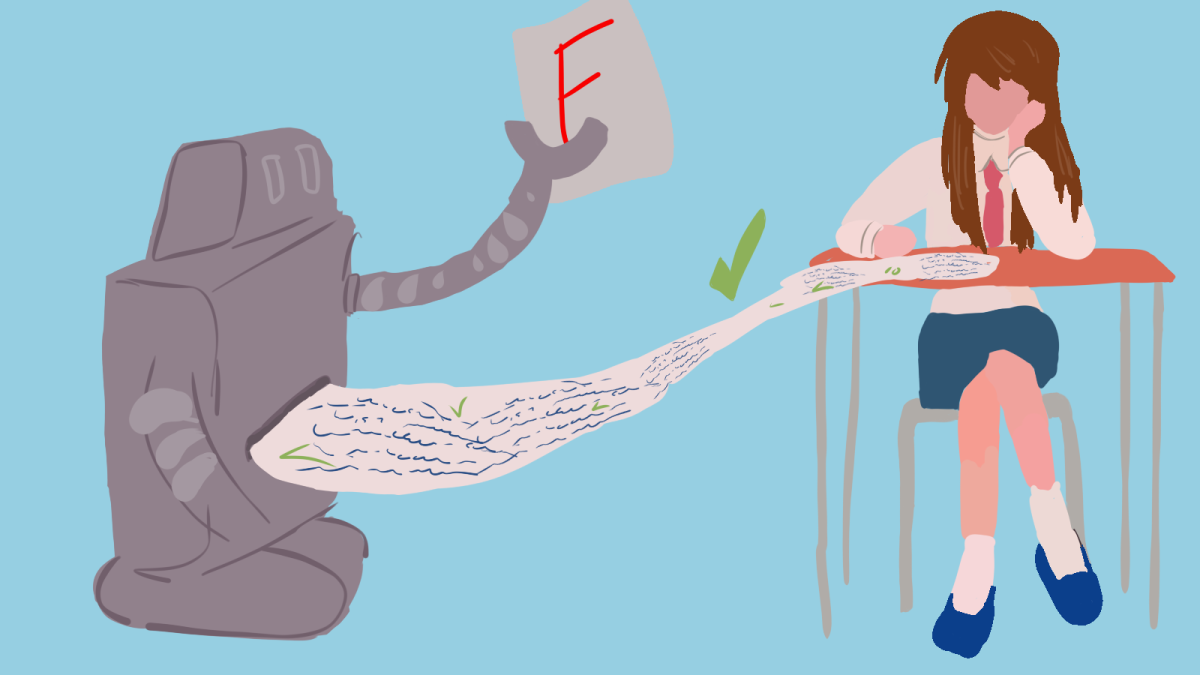
Ascellia Arenas, Coordinator Student Attendance at BCPS, claims that students learning by using computers is more exciting and effective than traditional learning. While technology companies have pushed the idea that more technology equates to better student outcomes, the statistics say otherwise.
According to the Nation’s Report Card, math and reading scores have been declining since 2012. This coincides with the year that tech companies began selling computers to American schools.
Today, the Educational Technology (EdTech) industry is expected to grow by over 100 billion dollars in the next ten years — it is a profitable industry to be in, meaning this pattern will surely continue. Outside of the U.S., the pattern continues: school systems with more computers show less improvement in educational outcomes.
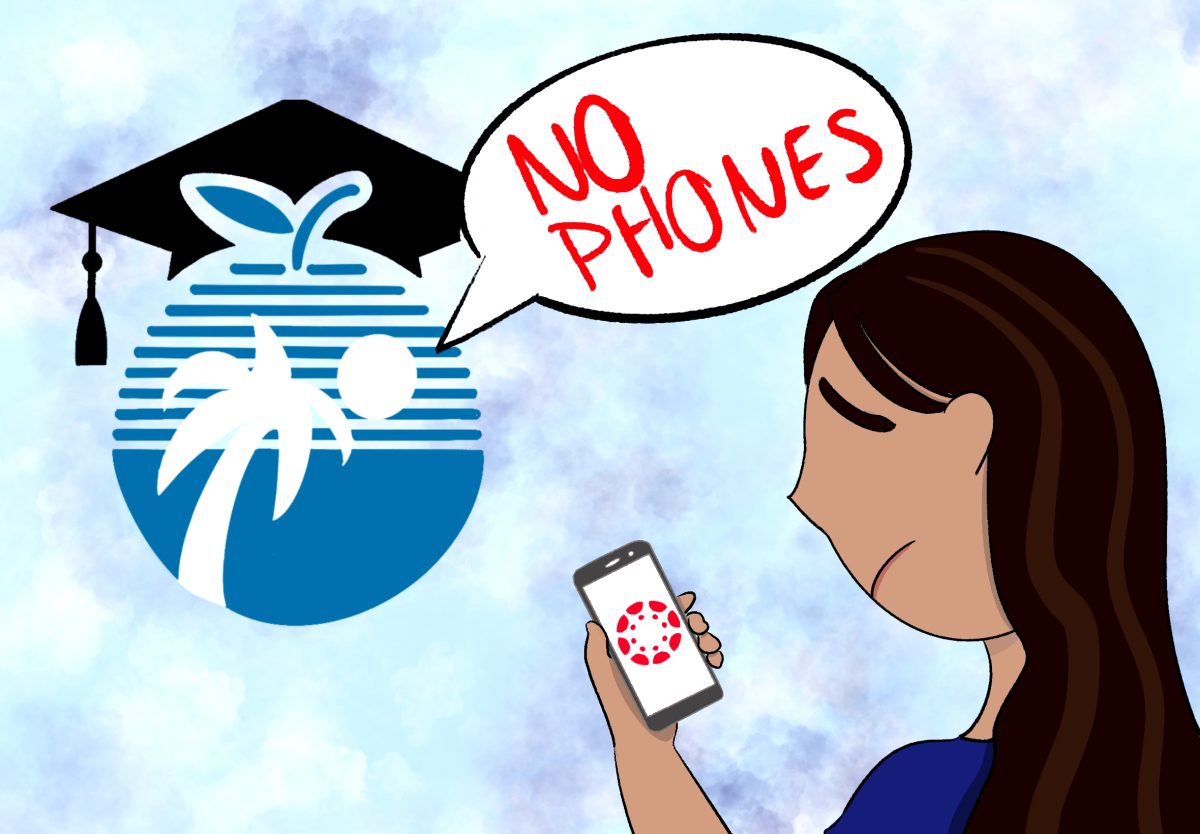
While BCPS quickly moved to ban cell phones during the school day in 2024, they failed to consider other screens that act as a similar distraction during learning. BCPS spoke about the cell phone ban as being necessary, citing mental health and learning distraction concerns.
“It’s going to change the teacher’s ability to teach those students and capture their attention,” School Board member Allen Zemen said.
While the effects of cell phones were rightfully publicly blasted, the effects of other screens on learning were carefully swept under the rug in order to continue profitable dealings with EdTech companies. Similarly to phones, computer usage not only worsens a student’s understanding of the material they learn in class, but also distracts surrounding students.
Students as young as elementary school are given school-issued laptops, strengthening their technology reliance at a young age. In addition, it gives technology companies a base of loyal consumers that is familiar with their operating system from a young age.
“A lot of these kids are taught that these iPads and Chromebooks are to help with emotional regulation,” Wisconsin music teacher Kirsta Bowman said. “They’re upset or they’re struggling either in school or at home or somewhere else, a teacher or another adult is like, ‘Oh, just go on your Chromebook.’”
According to Psychology Today, children with higher levels of self-regulation spend slightly less time overall on screens. The introduction of technology in schools is restricting valuable emotional learning, especially in the early grades K-5, leading to the inability to regulate their emotions later in life.
Corporate EdTech greed is now shaping schools and children for the worse, creating an overreliance on technology and a lesser emphasis on real learning. Careless spending on costly programs that have no evidence of meaningfully helping students should be heavily reconsidered.


![[Opinion] Strict adherence to dress codes causes more disruption to learning than students' clothing](https://eagleeye.news/wp-content/uploads/2025/07/9ckvyuk6YZiPNGGPvecEzWbGqyYaK4CjFXjwbNE5-1200x750.png)