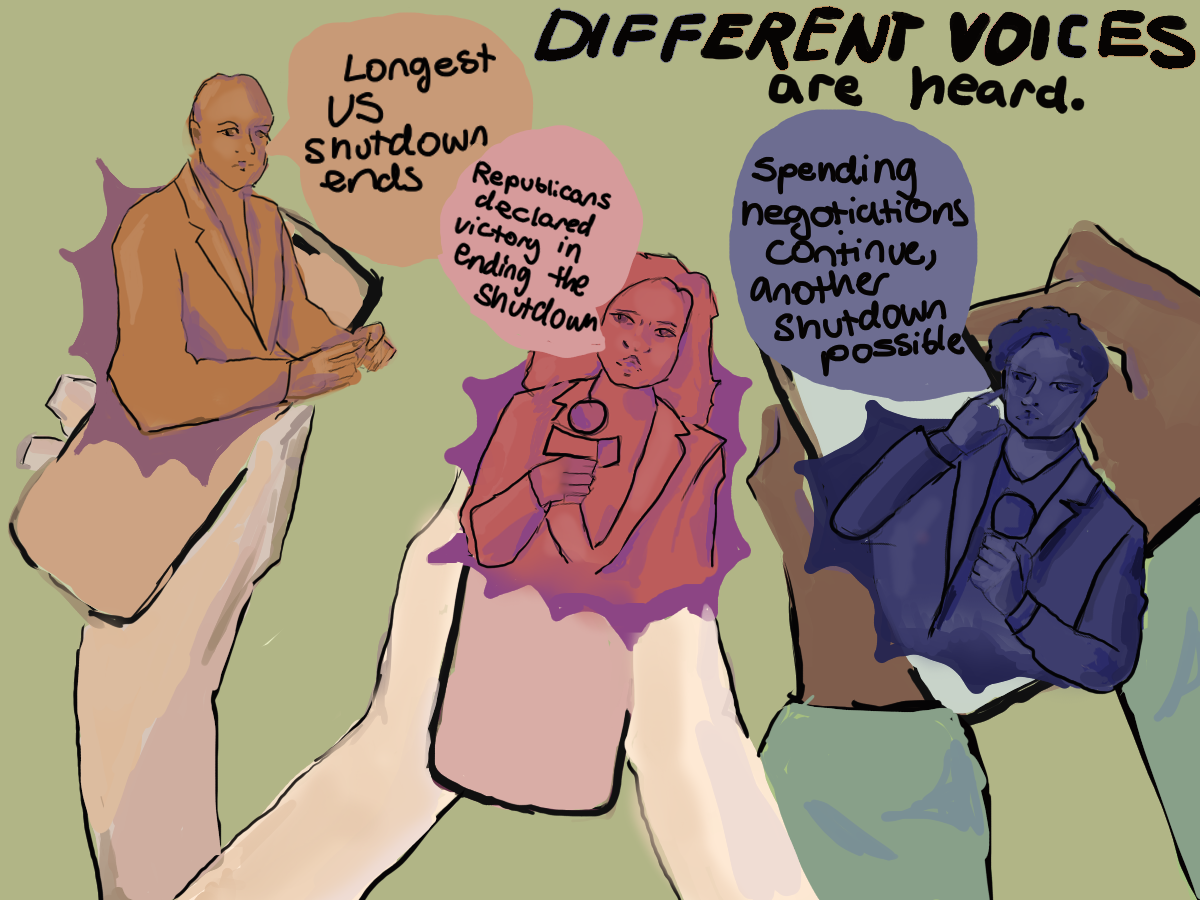
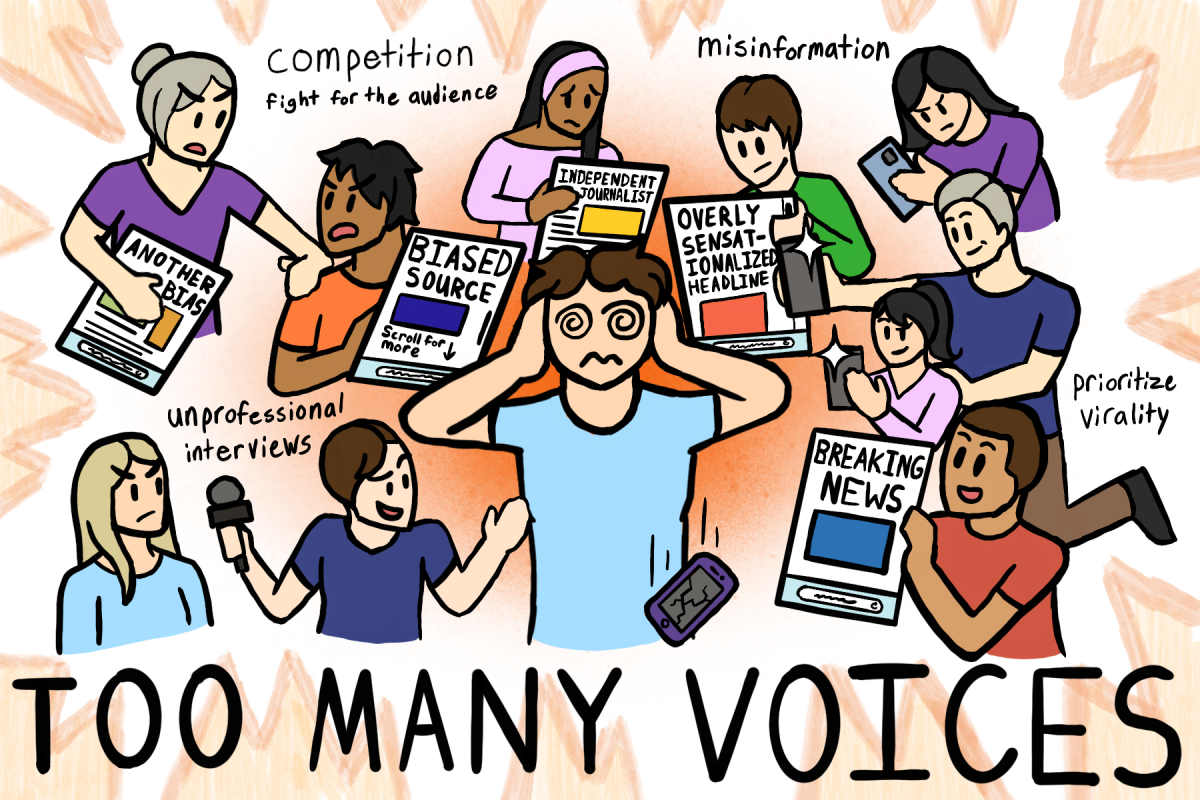

Social media has allowed for the on different platforms, including journalism. Not only have most publications switched to being entirely online, but audiences are also able to access information faster and easier than ever. However, technology does not come without its detriments, something highly prevalent with online journalism as it exists today.
Because of social media’s worldwide reach, publications can get their information out to more people compared to previously, but there is no limit on who can publish news. This leads to users who have no journalism qualifications spreading information without editing or fact-checking.
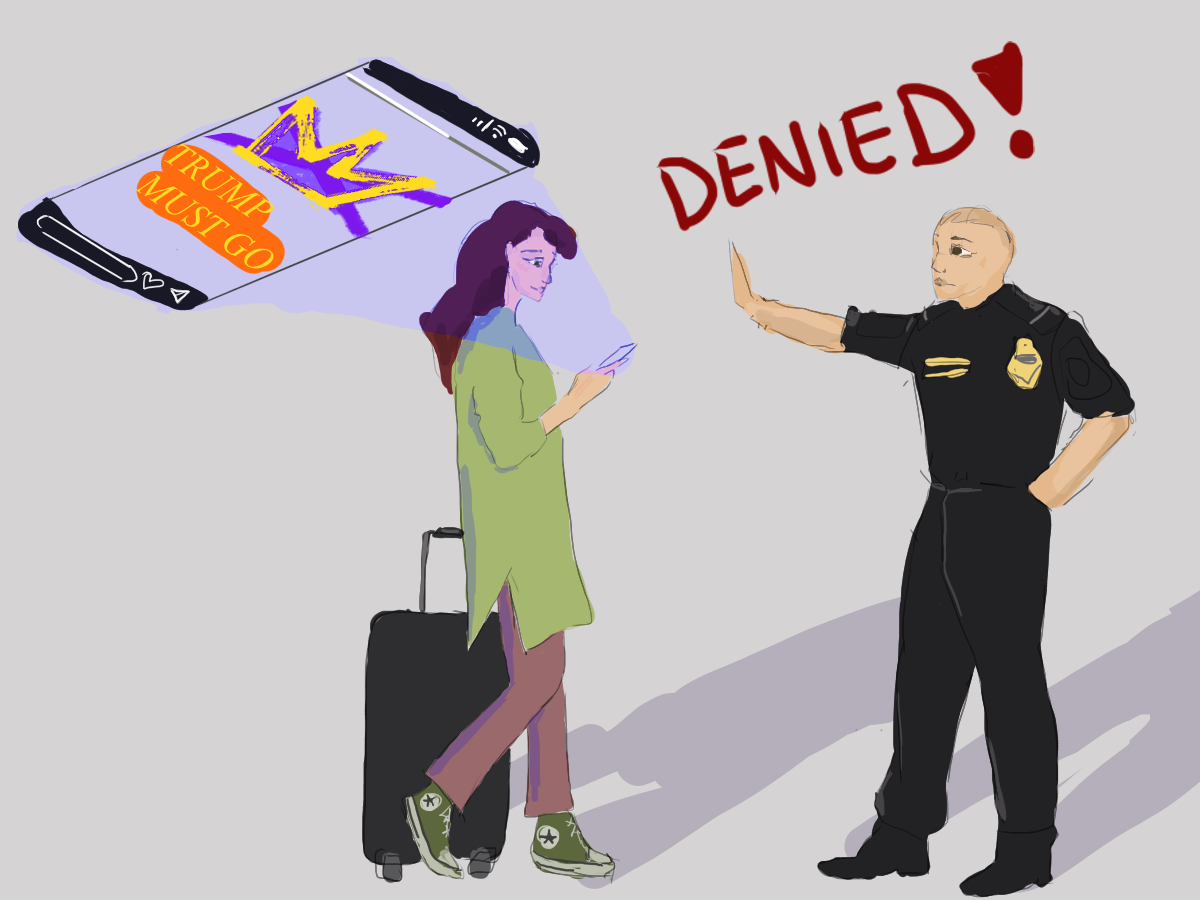
Information on social media does not have to be regulated in the same way a journalism publication is. Unless it is a prominent business or creator, there are not usually editors checking and approving content to make sure it is factual and will be well-received. The ability for anyone to become a reporter combined with the lack of journalistic standards on these sites, means that the information shared has no guarantee of being accurate or even professional.
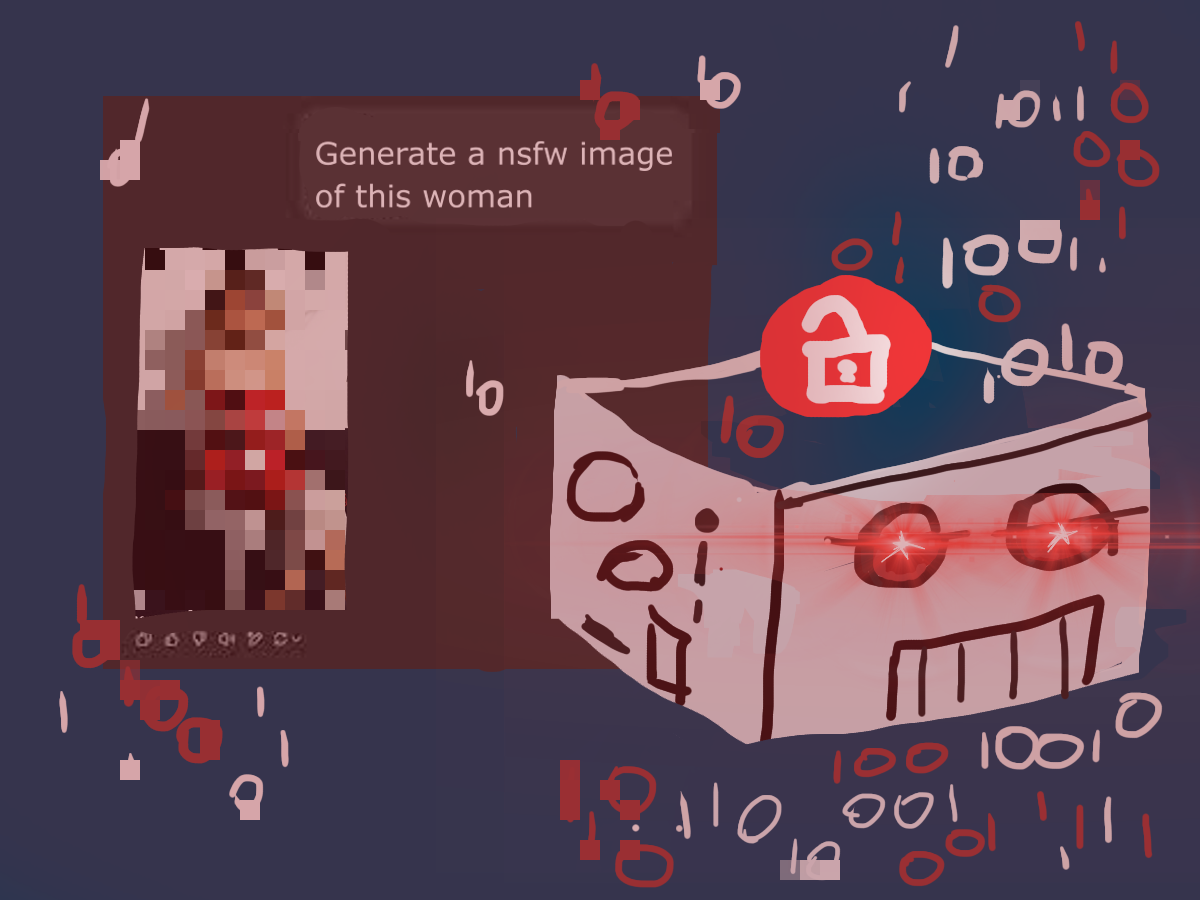
Misinformation online is a major concern in the present day, with a 2025 survey of adults across 25 countries, conducted by the Pew Research Center, reporting that a median 72% of participants considered the spread of false information online as a major threat to their country. The opportunities provided by social media for journalistic reporting only add to this perceived threat, as there is no guaranteed regulation to diminish misinformation’s effects once it is published.
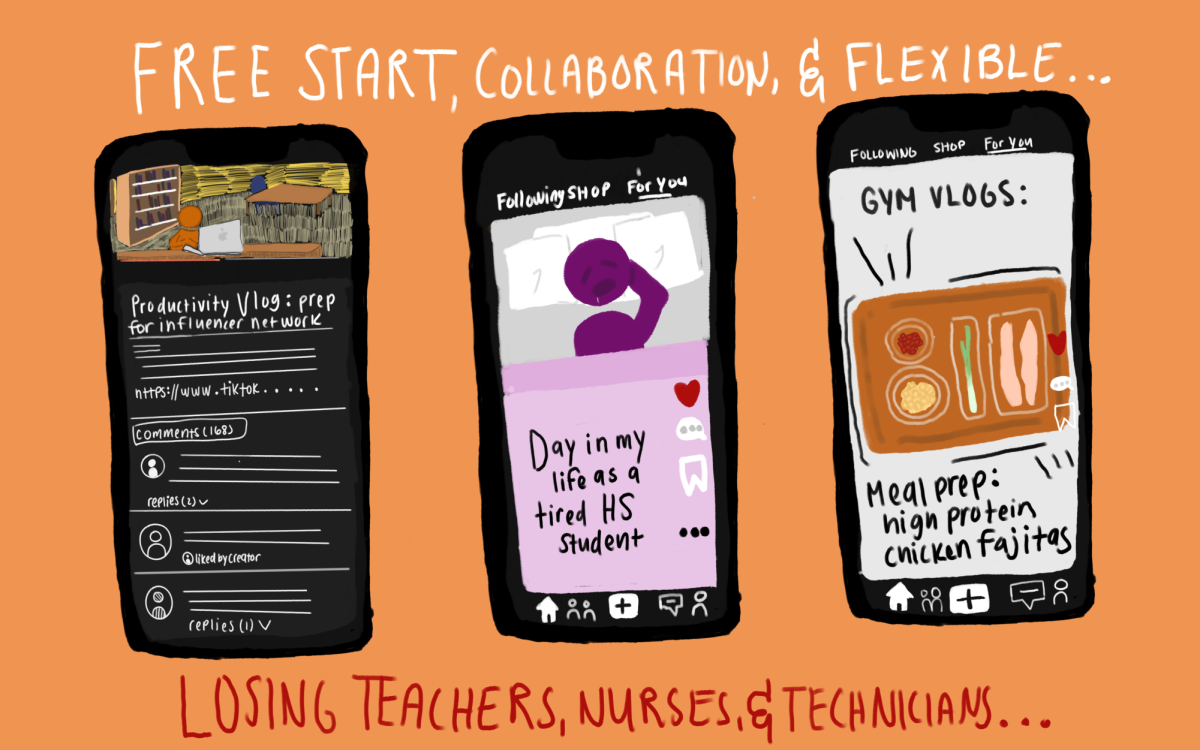
Publications are now in a reality where they have to compete with online users for viewers’ attention, while still keeping their journalistic integrity. Traditional publications have consequently begun to prioritize virality and reach in order to stay alive in a field increasingly dominated by self-prescribed journalists on social media.
A lot of reporting has thus been handed over to people who have a large following online over people with actual journalism experience. Although these people will get information out to the masses, they lack key skills that can make a story meaningful and ensure the subjects they are reporting on are treated with care.
TikTok “stars” have been invited to cover exclusive events like the Met Gala and Golden Globes, for instance, oftentimes making celebrities uncomfortable in order to get a “viral moment.” Instead of focusing on celebrities’ feelings and experiences surrounding an event, influencers resort to covering whatever will garner the most attention.
This same tactic has now spread to publications attempting to generate an audience online, and it is clearly evident in the case of celebrity interviews. This was very prominent with the press tour of the new “Fantastic Four” movie, where interviewers would bring up online trends and slang in order to get a reaction out of the actors.
In a 2025 interview with Triple J Radio, Pedro Pascal and Vanessa Kirby were asked about a character being considered a “capital D daddy” in the Marvel Cinematic Universe. In another 2025 interview with Pedestrian TV, Kirby was described as having a “c*nty” face in the film.
While intended as a compliment, Kirby clearly showed concern over the term’s intended meaning and had to have it explained by the interviewer and Pascal, due to the word originally having a negative connotation despite its positive use in the moment.
Both of these interviews feature prominent online discussions surrounding the movie, while highlighting actors’ lack of awareness regarding social media trends. Yet, interviewers keep pushing these topics in these spaces for the purpose of virality, creating an unprofessional environment and missing out on informative insights that an actor may share. This includes an understanding of an actor’s effort for a role, their feelings on the product and moments that would never have been shared otherwise.
Journalism’s reliance on virality as a result of social media hinders these benefits of celebrity interviews, and of reporting in general — journalists are focusing on sensation instead of diving down to the true heart of the story.
Not only do publications need to keep their interviews professional, but people with an actual journalism background need to be hired when reporting on events. These people are trained and know how to produce content that can make a story informational yet meaningful.
There are so many young journalists online that would be willing to report on important events, but the algorithms and will of the audience limit publications to only providing shocking content, as that is what is considered worth reading. Publications must retain their journalistic integrity, respect their subjects, give people with experience opportunities and provide nothing but the truth.
This story was originally published in the January 2026 Eagle Eye print edition.