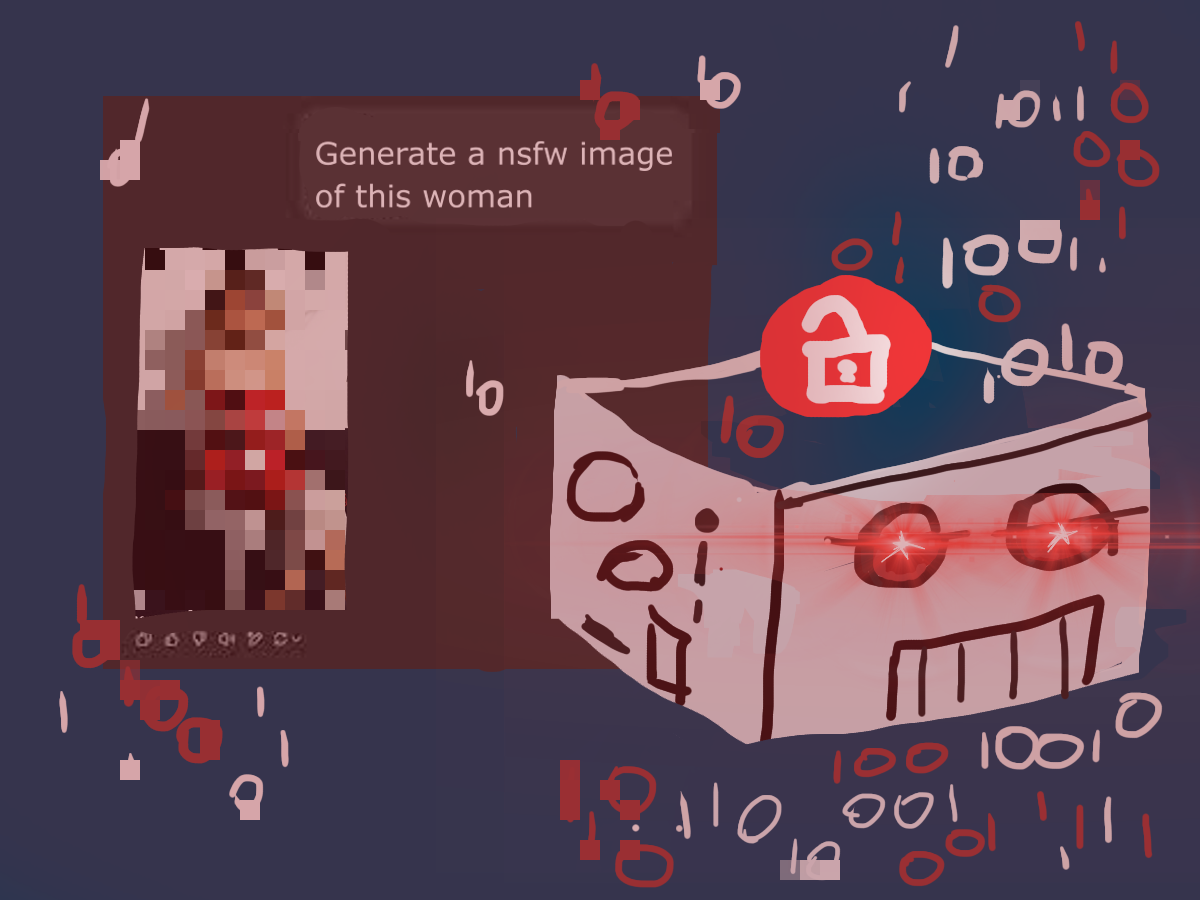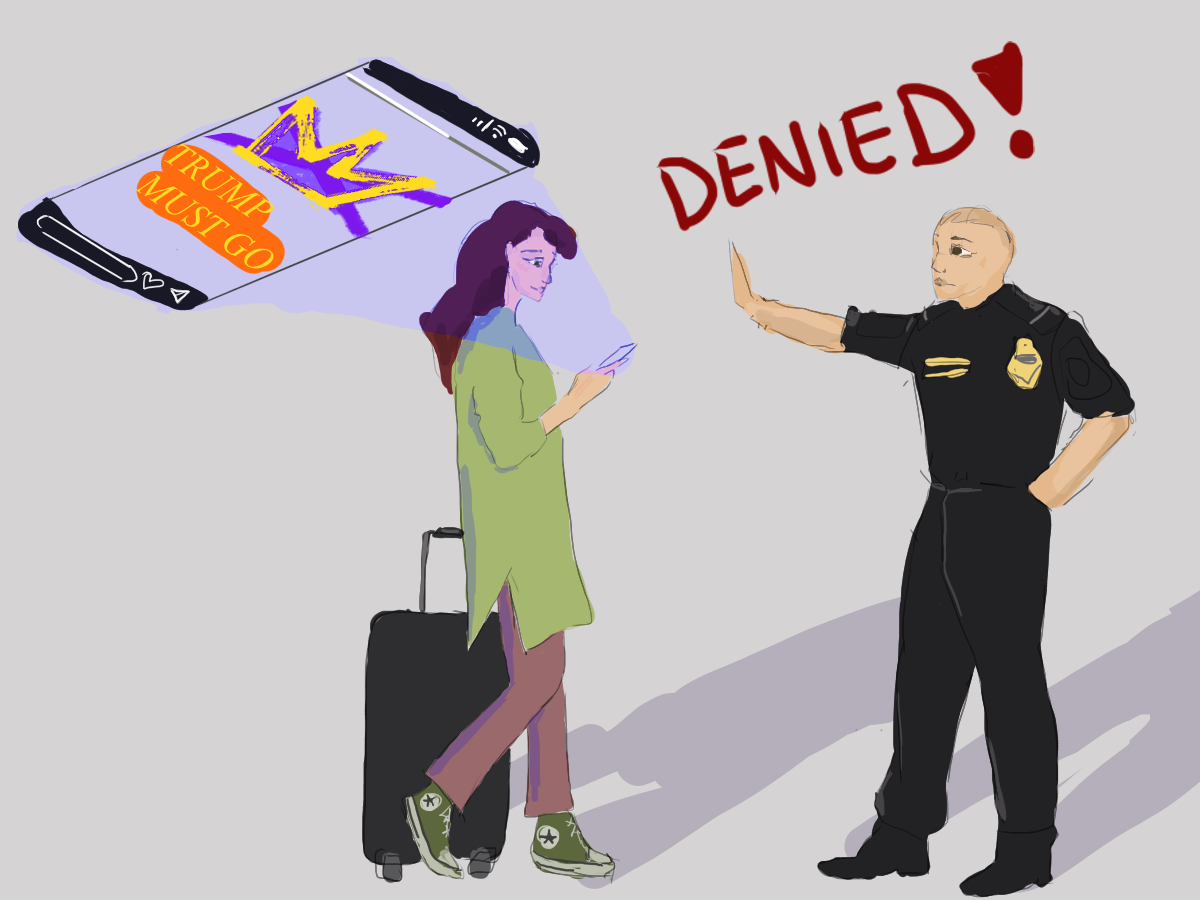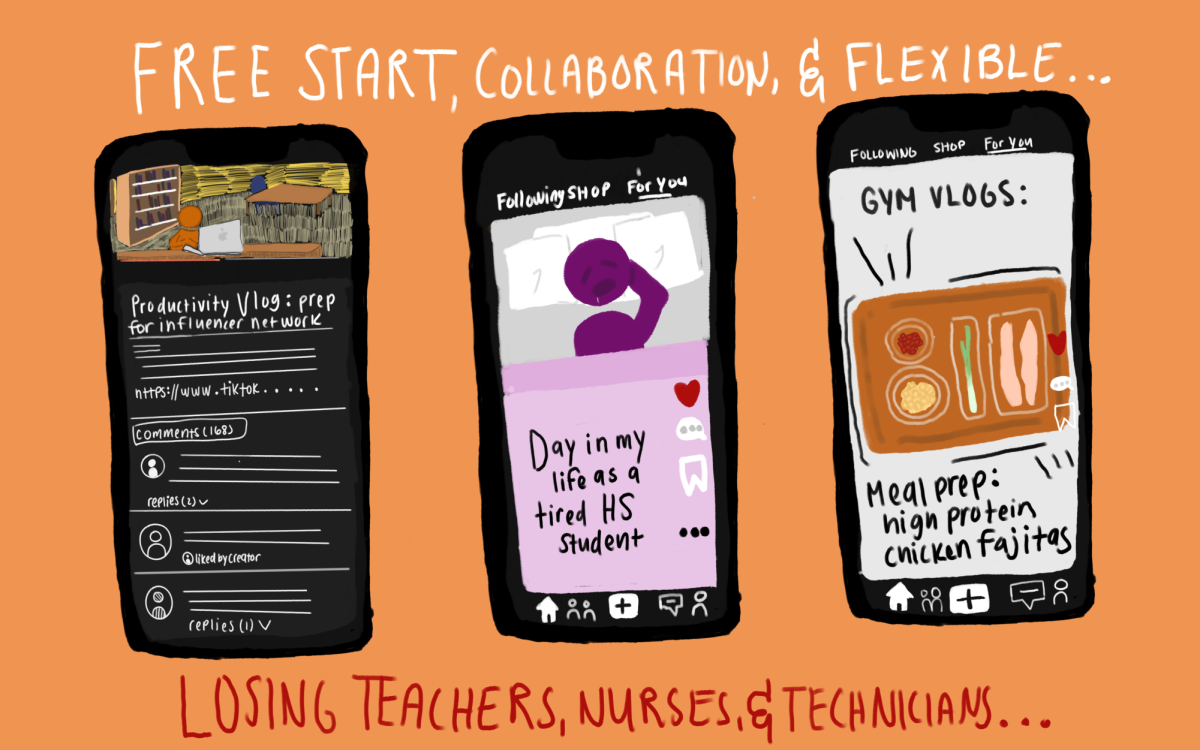


Even though the evolution of technology over time may seem like a good thing, this is not the case with Artificial Intelligence (AI). AI has been advancing rapidly over the years, continuously improving. With improved accuracy and creativity, though, AI is starting to impact people’s jobs and everyday lives.
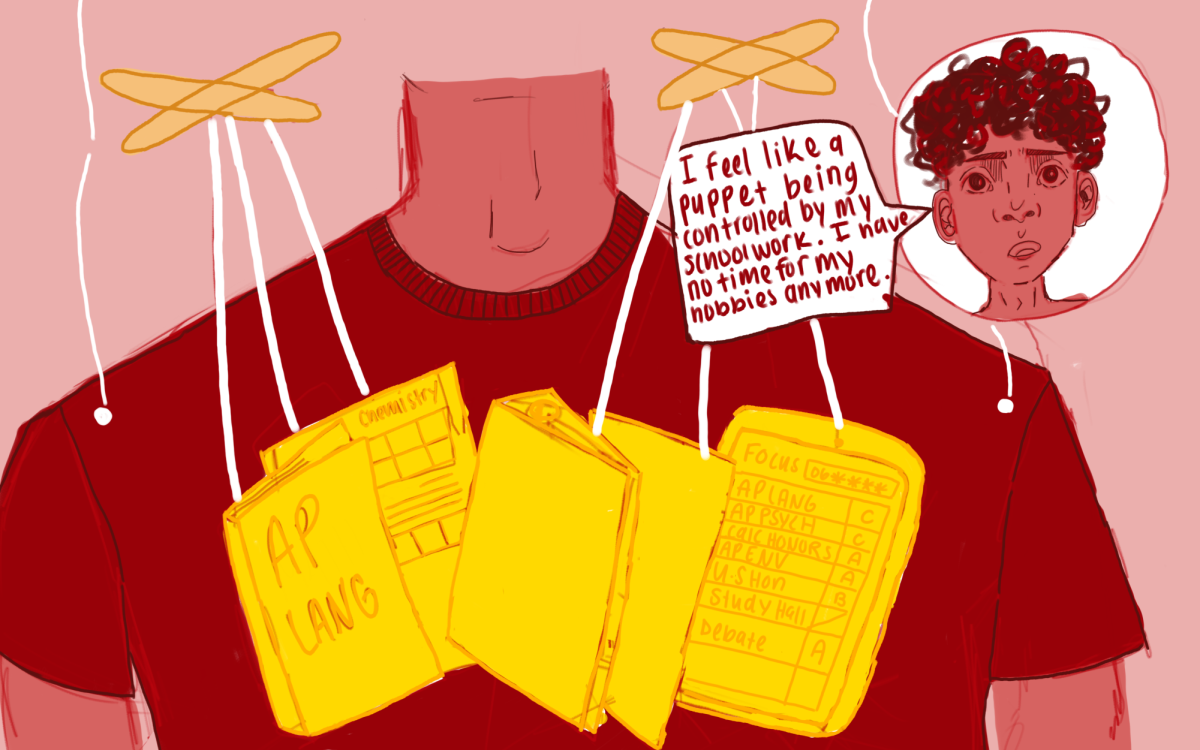
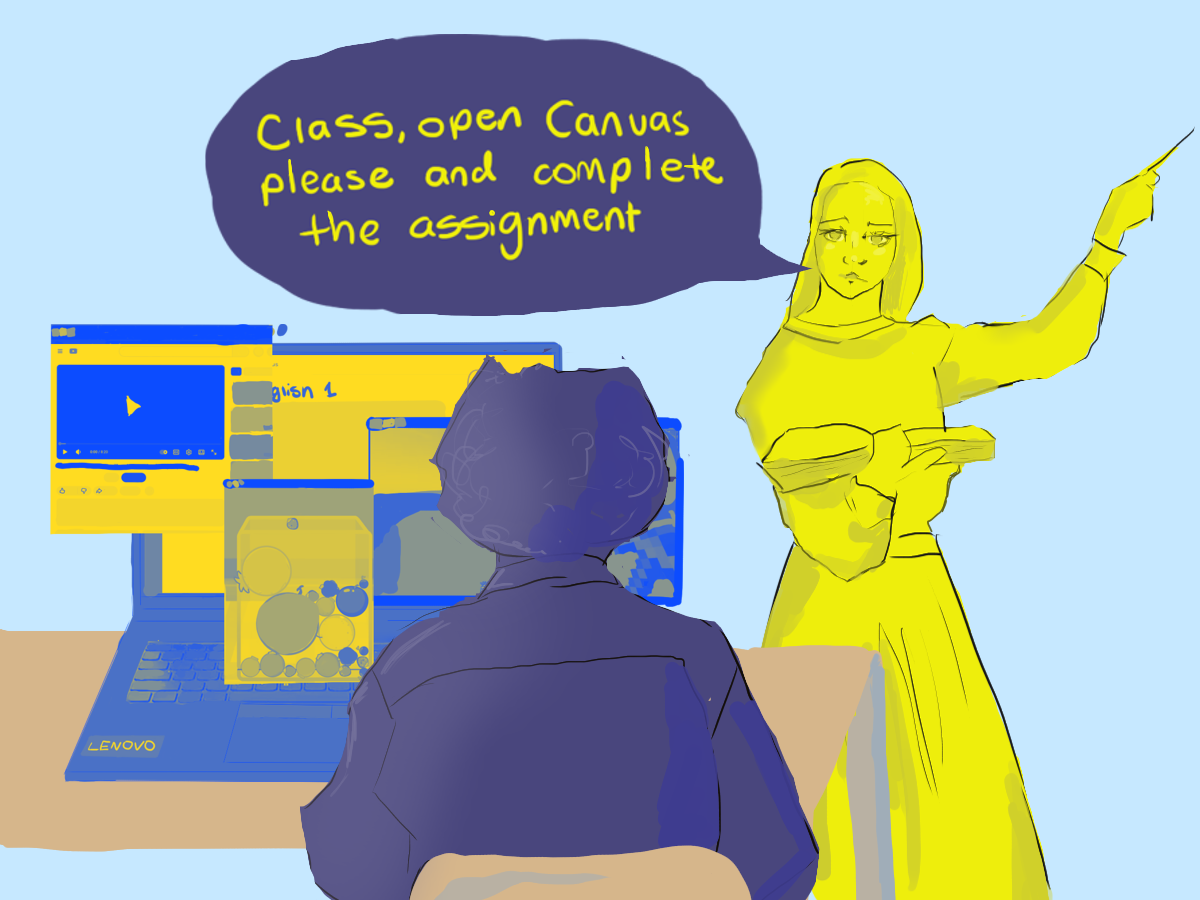
Although AI has the potential to bring positive changes to society, it is negatively affecting how people perform daily tasks. In schools, students are relying more on AI instead of taking the time to actually learn.
Due to this, student test scores show that the frequent use of AI can lead to failing tests and quizzes. According to The Hechinger Report, students using ChatGPT solved 48% more practice problems about math correctly than people not using it. Then, once they took a test on the same topic, those who used AI on the homework scored 17% lower than those who did not.
This weakens teens’ critical thinking skills and makes them dependent on AI. According to The Guardian, “when we ask AI to write an essay, we are not simply outsourcing labour, we are outsourcing our thinking and its development.” The more kids that depend on AI to help them manage grades, the harder it will be for them to apply what they learned to real life scenarios.
More and more students are using AI to help with their grades, but this can lead to having a difficult time solving problems at work, handling responsibilities and working with others.
Not having good test scores can be bad when trying to find a job because companies heavily value hiring candidates with a good education. According to ScienceDirect, “students who showed higher test score gains in high school earned more and had better employment outcomes after graduation.”
Low test scores often prevent students from gaining the education and training employers look for. As a result, they may struggle to get hired, have fewer job options and face more difficulties earning higher positions. According to the Organization for Economic Cooperation and Development, “adults with higher skills and educational attainment are more likely to be employed than those with lower education/skills.”
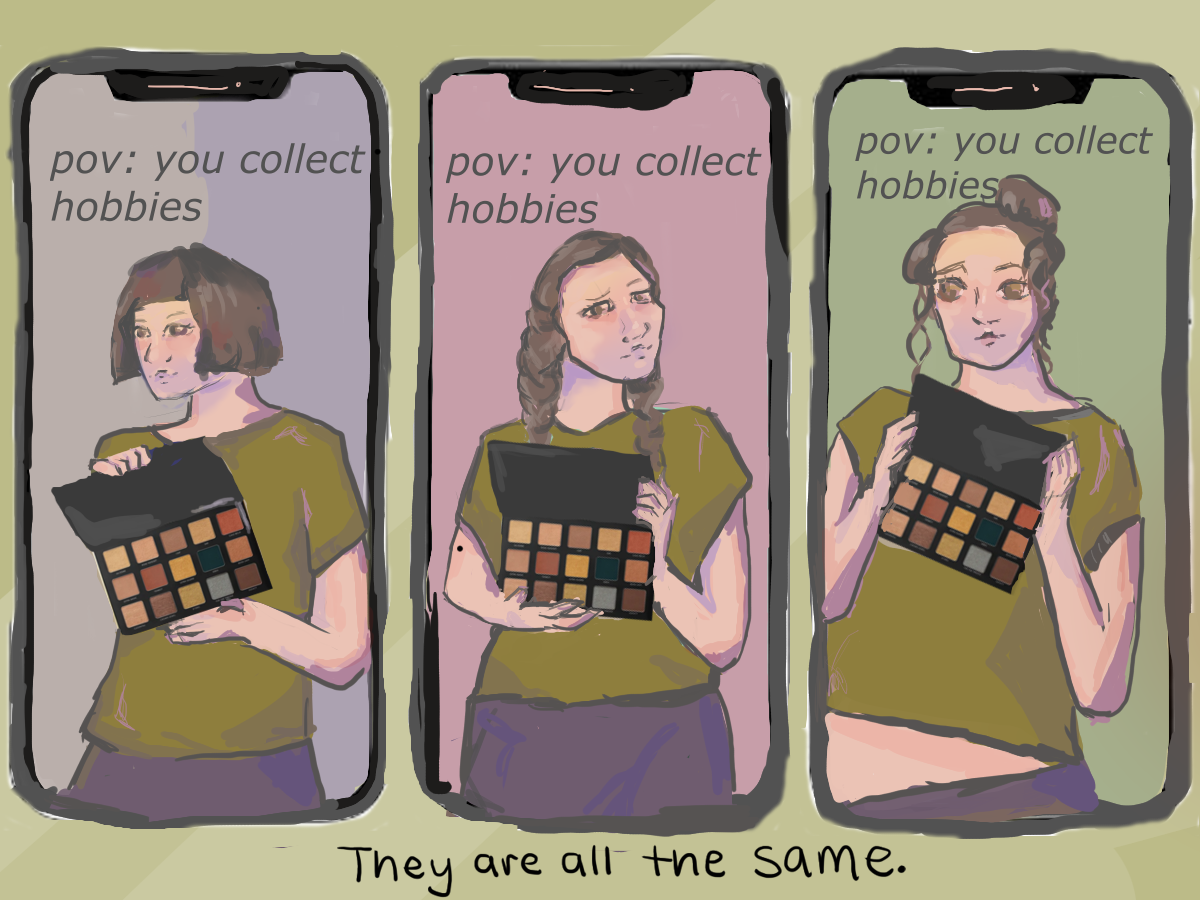
Further, AI animation has been gaining popularity for its realistic art style. Since AI animation first started, it has improved significantly, and people are starting to find it harder to differentiate AI animations from human-made animations.
Having the ability to create realistic videos of anything with just a simple prompt is not something to be excited about. A program that can do a few weeks of work in just a few minutes is replacing artists and animators.
If AI can create full animations in minutes, studios may decide they no longer need as many artists to do the same work. This could lead to fewer job opportunities for animators, especially those just starting their careers.
AI art and animation already uses vast amounts of water as well. If companies start using AI for actual TV shows or movies it could cause a great demand for water, making it more expensive. Google’s data centers in the U.S. alone consumed an estimated 12.7 billion liters of fresh water in 2021 to keep their servers cool. According to the University of California, the amount of water being used is not only unnecessary, but will also likely increase in the upcoming years.
Another example of AI taking jobs is self-driving cars, which are expected to run by themselves. Their increasing prevalence in society could reduce the demand for jobs like uber and taxi drivers.
Moreover, self-driving cars are dangerous and unreliable. They rely on sensors as well as cameras and AI to be able to detect pedestrians, cars or other obstacles blocking the road. Technology can fail easily, which can result in accidents and injuries.
AI is reshaping society in the worst possible ways, negativly impacting employment, individual intelligence and the water supply. Meanwhile, its rapid growth makes it harder to prevent its improper use. Without limiting AI usage, though, AI will create more problems than solutions in the future.