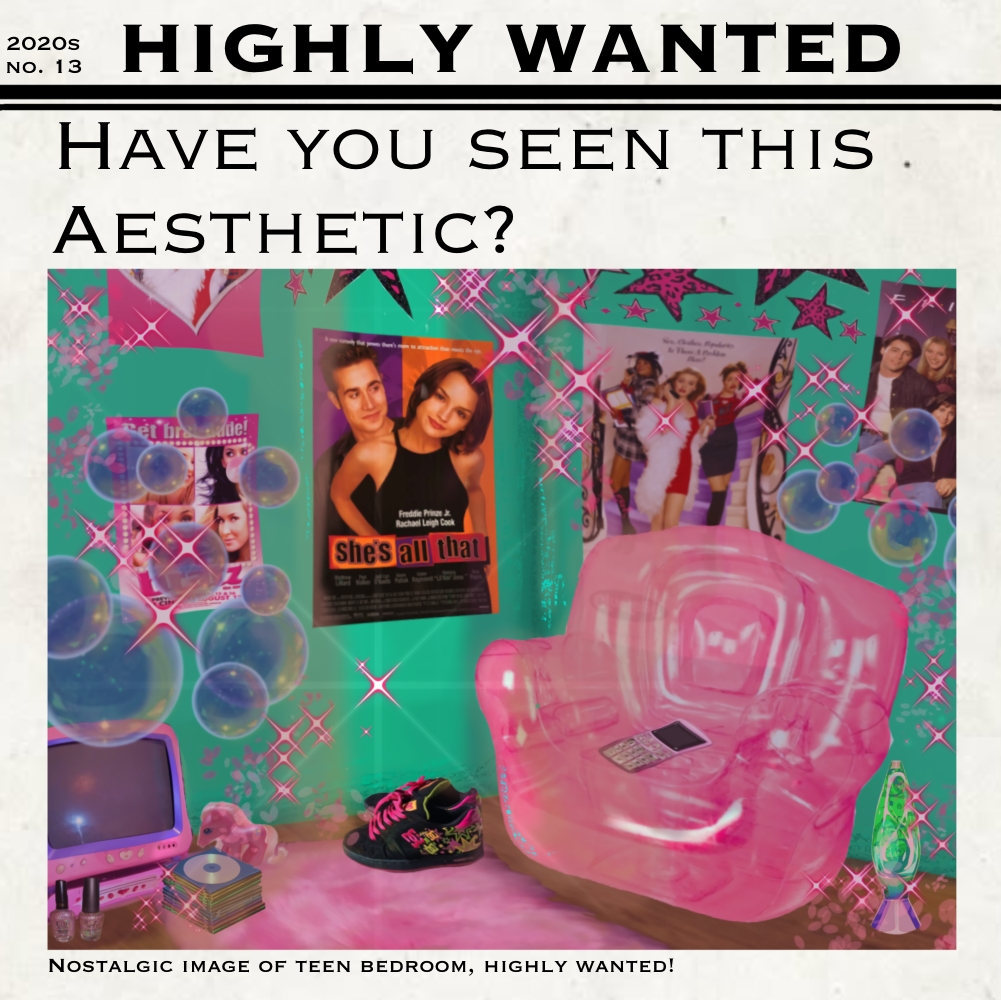

As a new decade dawned, a new aesthetic did, too. Bold, bright, colors such as hot pink, fiery orange and lime green were paired with metallic and glassy finishes, creating a futuristic vibe for the early 2000s, which served as a playground for technological innovation. But, as the end of the 2020s approaches, this hopeful futurism has disappeared. Instead of looking at fresh innovations, we are stuck in a loop of retro comebacks, leaving many wondering what happened to the future they were promised.
The staple bold, futuristic style of the early 2000s is often called neo-futurism. Neo-futurism is defined by an icy, bold and modern style, as seen in the music video of 90s R&B hit “No Scrubs” by TLC and the iconic 2000s translucent, pop-colored iBooks featured in every teen romcom; rewatch Legally Blonde and one will surely pop up.
Throughout the late 2000s and early 2010s, media culture and modern trends continued to expand on the neo-futurism of the early 2000s, especially with the growing accessibility of the internet. That staple aesthetic eventually spurred new trends and styles, expanding on cleanliness and minimalism and ultimately morphing into the bland corporate style of today.
By 2019, this marble white futurism was the main age of modernization. Despite many preferring this simplistic style, though, excitement for the new decade still left people wondering what innovations and trends would develop next. However, a major change suddenly occurred: a resurgence in vintage trends entered the mainstream market.
What started as VSCO girls, a retro style defined by “Stranger Things” and scrunchies, turned into a permanent cultural fix. Trends in 2019 shifted from new to vintage, and this shift all but disappeared; throughout the early 2020s, retro 70s and 80s trends circulated on social media platforms, leading back to the bold “trashy” Y2K on social media today.
Big brands today do not want to innovate for risk of backlash, instead profiting off of romanticized nostalgia, which guarantees sales. This “nostalgia bait” is seen everywhere nowadays; brands release safe, recycled and high demand retro items to reel in easy profit.
This is evident in the limited edition Aeropostale 2000s drop: simple, classic designs were brought back, yet the hype surrounding the drop felt as if it was intended for the Superbowl. Another popular example is recent cinema. Movie theaters are constant victims of nostalgia bait, filled with cheap Nostalgic sequels and remakes, including the slop Home Alone remake.
Companies no longer try to think outside of the box to innovate their brands. Instead of speculating about what the 2050s style might look like, we are reliving the 2000s for sales and profit.
The result of this “nostalgia bait” is a culture that feels soulless and predictable.When we overconsume content from the past and rely on vintage culture for new trends and creativity, it begins to seem like original ideas are impossible. If we want the modern future we were once promised, we cannot take the bait.
It is time to start demanding a future that belongs to us. Instead of accepting sloppy, recycled marketing, do not go out and watch that sequel, buy that limited edition McRib, purchase that polyester 2000’s-inspired shirt or allow companies to reduce quality for profit. We deserve better.