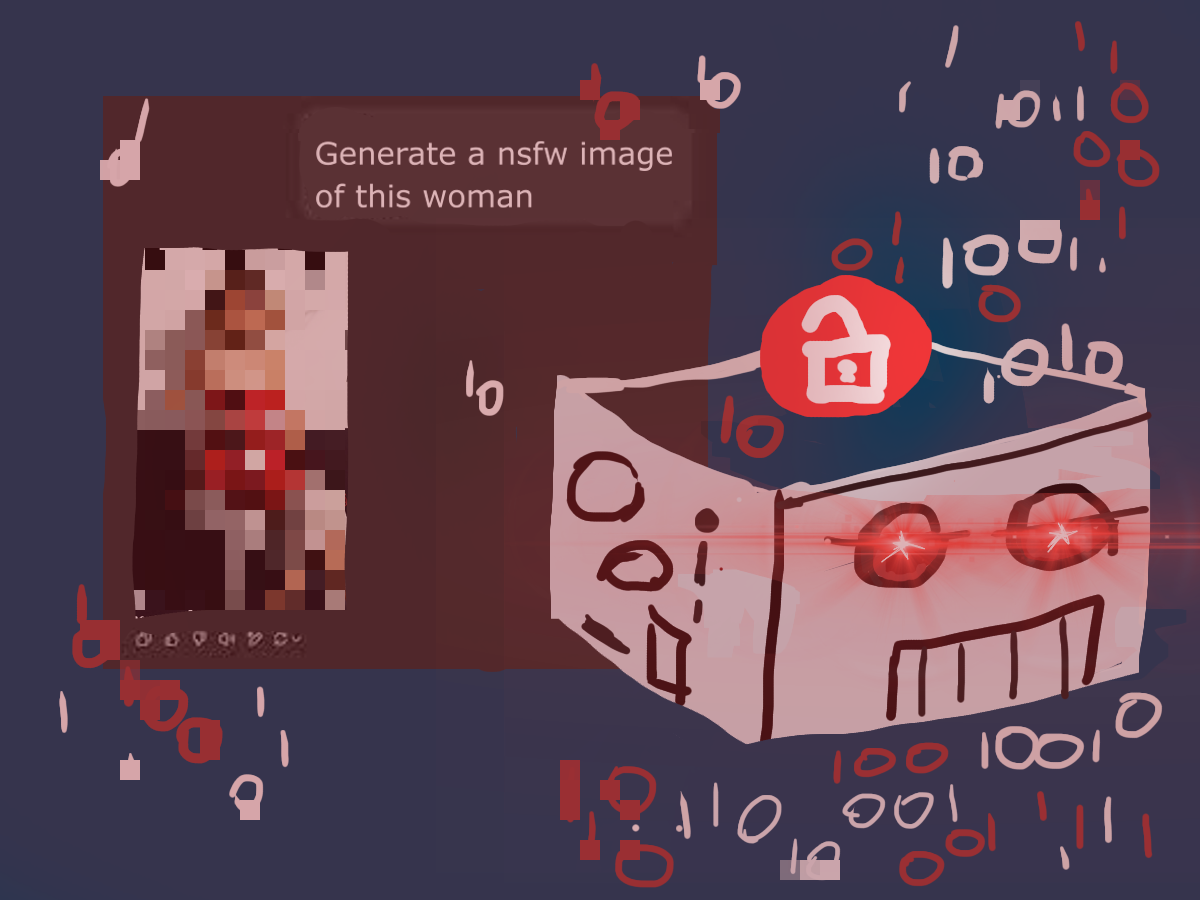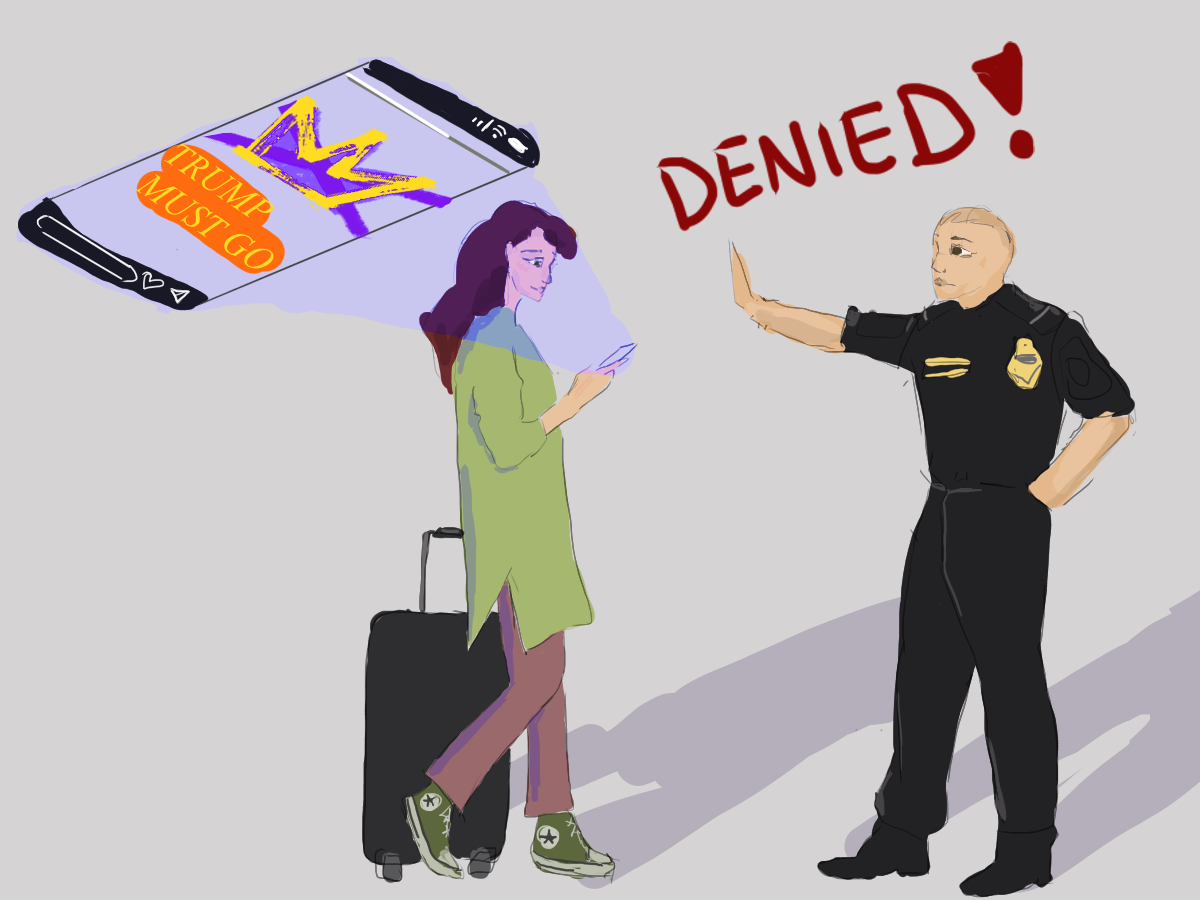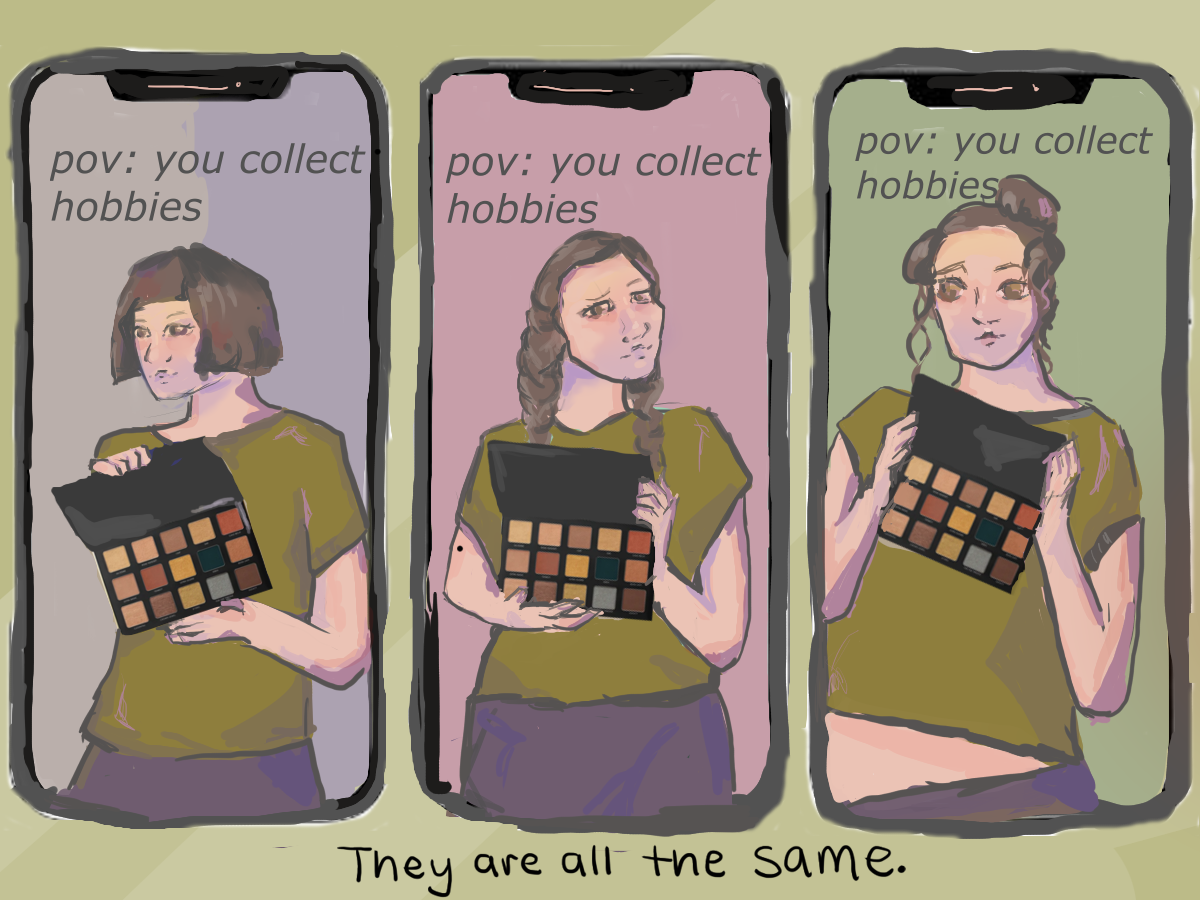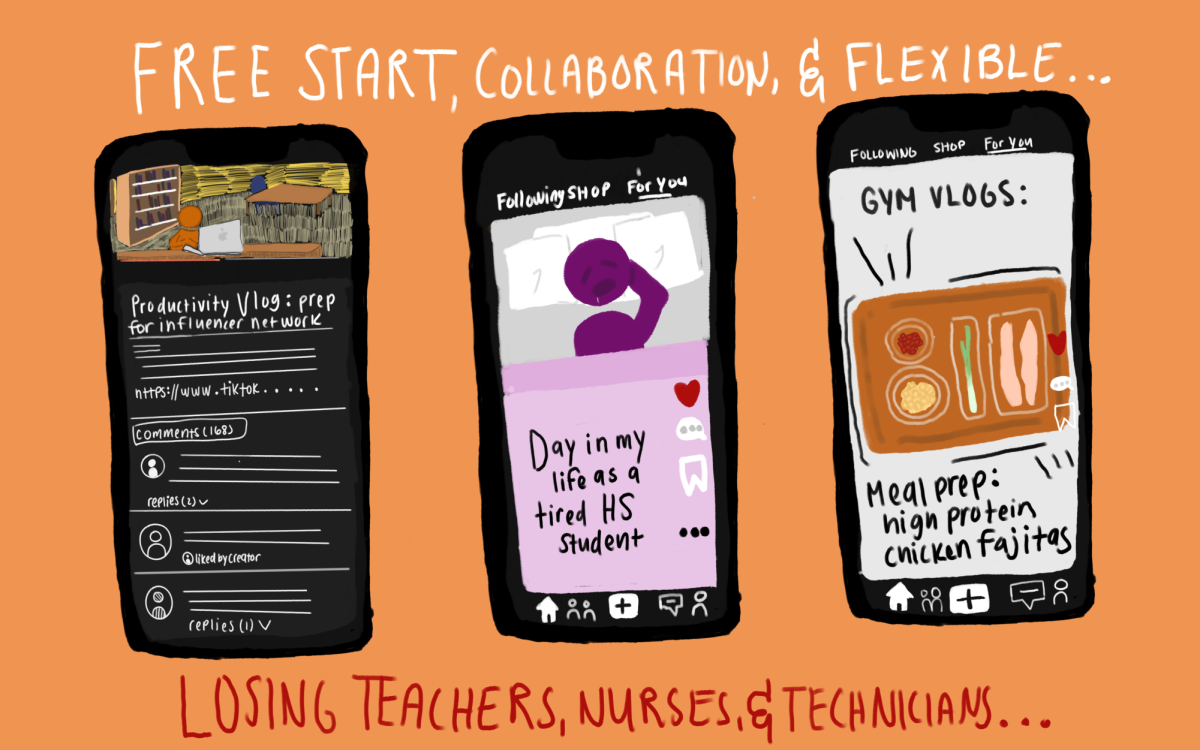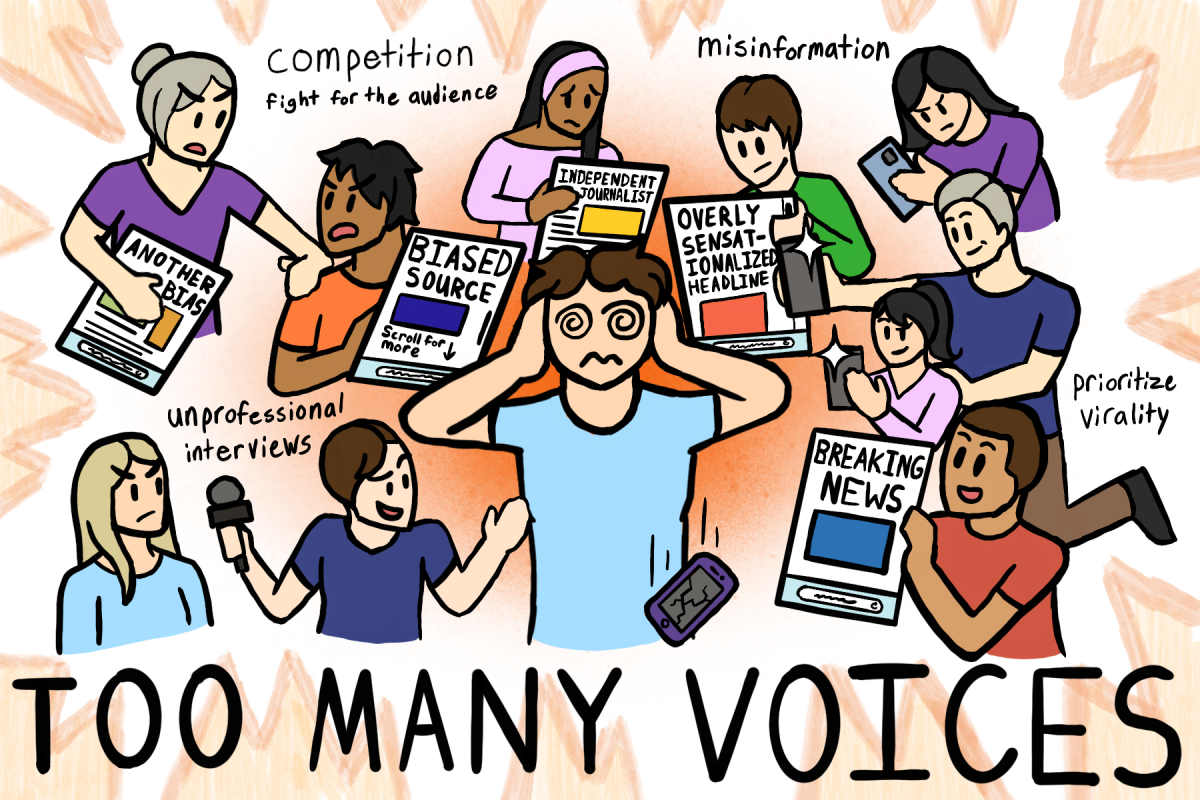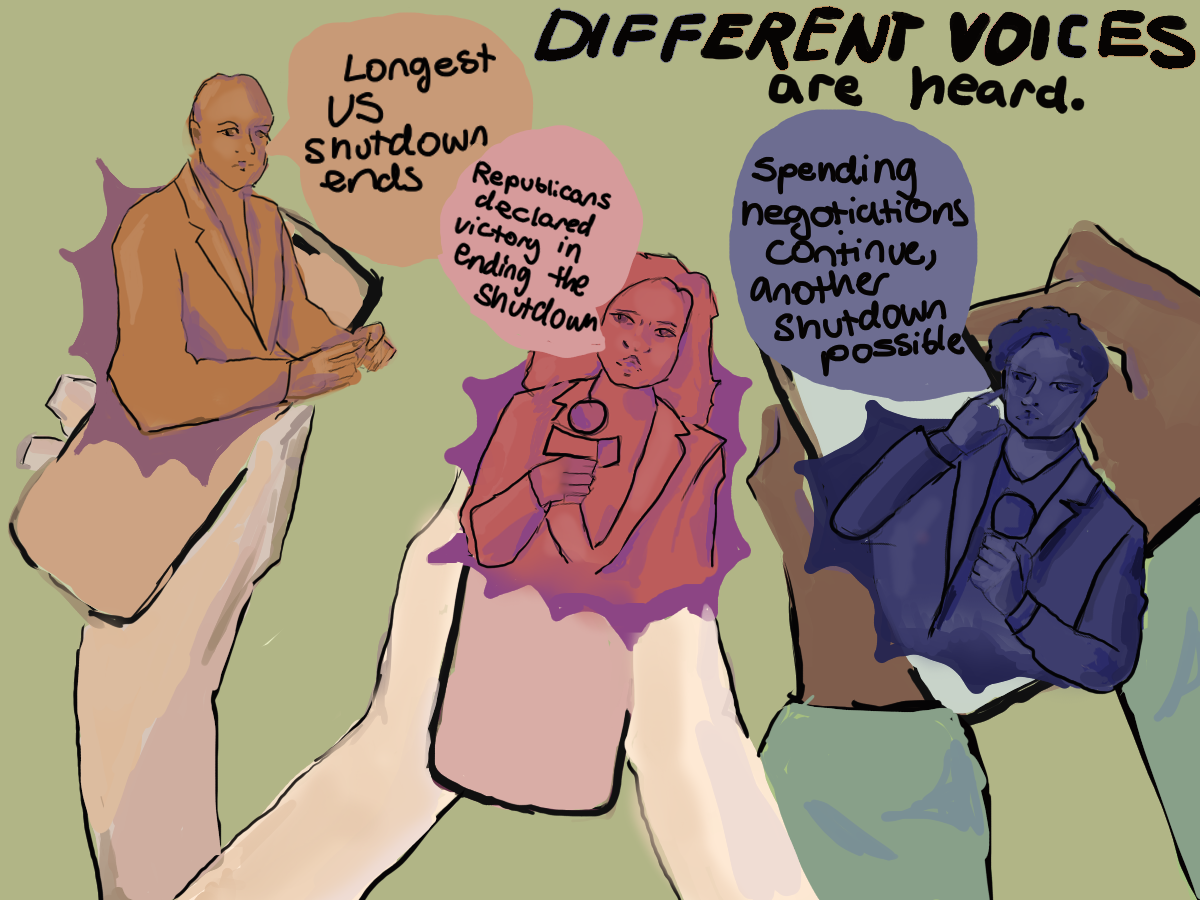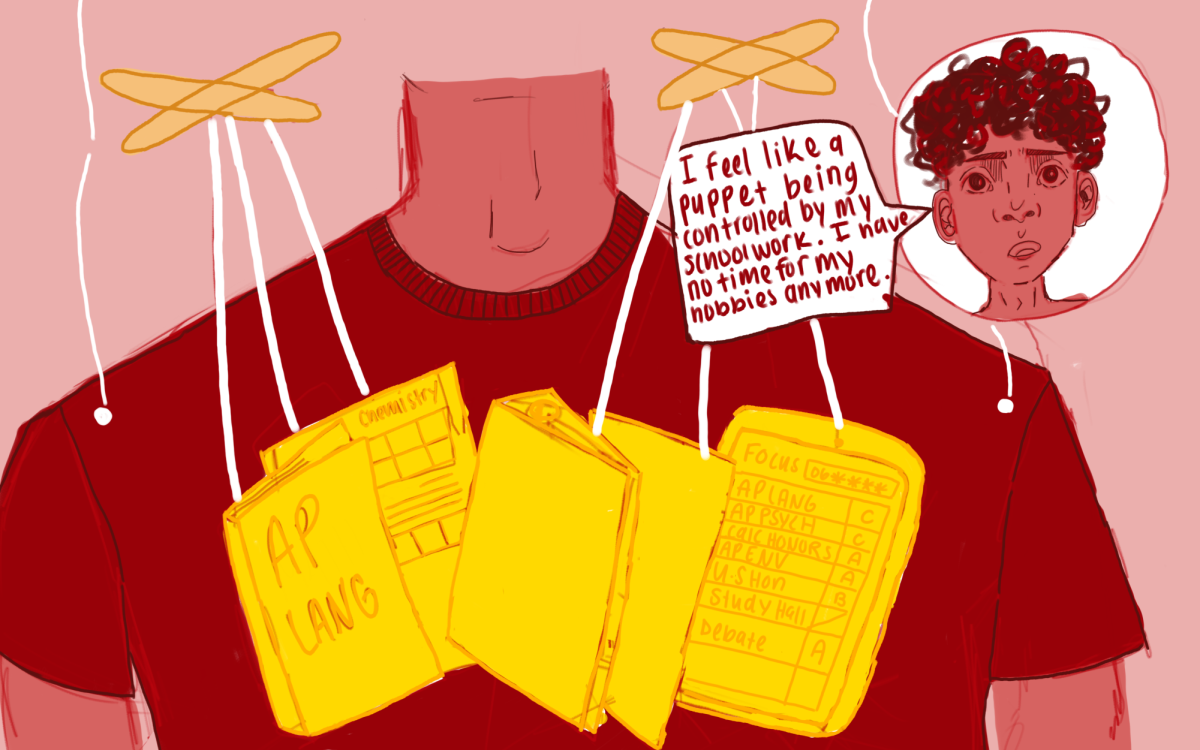


We live in a time in which instant gratification is on the rise. People are able to search up answers to problems and receive information instantaneously, especially given the rise of social media and Artificial Intelligence, without so much as verifying the truth. People no longer need to apply mental effort to solve problems; instead, technology does the work, replacing effort with instant gratification.
The need to have solutions immediately and be rid of tasks is rotting productivity. This can lead people to avoid starting and finishing tasks. The brain reads tasks as daunting or time-consuming, especially if people are receiving hours of instant stimulation by scrolling on platforms that circulate short-form video content like TikTok and Instagram.
According to Harvard Health, the human brain and body is designed to handle short bursts of stress; however, due to the new age of social media, and the increasingly addictive software used, the brain is overloaded by stress as a result of doomscrolling.
The neurotransmitter primarily responsible for addiction is dopamine, known as the “feel good” chemical of the brain. A tactic that marketers have used and continue to use is the scroll sequence, called the “infinite scroll,” where content automatically loads each time a person scrolls upward. This technology tricks the brain into an addiction-like loop; a constant hit of dopamine is released as a response to immediate stimuli.
The brain is constantly seeking out new information and the scroll sequence only makes people wonder further what topics another scroll will cover and what topics they will miss if they stop. As a result, the brain craves another video, and upon perceiving the video, dopamine is immediately released.
The more the brain becomes desensitized to the constant influx of dopamine, the less it feels motivated to perform tasks that require more effort than scrolling. The feedback loop becomes increasingly addictive because of the immediate reward. In comparison, completing tasks that require long-term focus seem daunting because it takes a longer time to receive the same level of gratification as scrolling.
“Doomscrolling can give us ‘popcorn brain,’ which happens when we spend too much time online,” Dr. Nerurkar from Harvard Health said. “It’s the real, biological phenomenon of feeling your brain is popping because you’re being overstimulated online. Then it’s hard to engage with the real world, which moves at a much slower pace.”
Many feel as if they have become dumber due to constant social media use, and this is a result of the brain not being thoroughly involved with the content they are viewing. Instead of people taking a moment to think about this content, their brains are being bombarded with unrelenting hits of information. This leads to a struggle in processing information deeply, quickly creating exhaustion or impatience with seemingly mundane tasks.
During the process of doomscrolling, the brain is actively being weakened. The amygdala — responsible for emotional regulation — is constantly releasing cortisol and adrenaline due to the immediate influx of information. In turn, the stress response causes the prefrontal cortex — responsible for all rational thinking, function and impulse control — to become overloaded with a sense of fight or flight. This constant state of stress overall weakens the ability of the brain to regulate impulse control, which makes it more difficult for people to resist doomscrolling.
Since the brain is wired to react to patterns and create habits, it creates new neural pathways to solidify the habit of doomscrolling within the brain. After this registration, it has officially become the default behavioral response. The constant release of dopamine in the continuous scroll cycle only reinforces the habit.
Combining scroll time with regular activities like cleaning, eating or the break before starting homework sets an individual up to procrastinate further. To combat this, it is recommended that people keep their down time separate from the tasks they need to complete. For instance, if people were to leave their phone in another room while doing their chores, they would be less likely to pick up their phone.
Changing these habits could also look like setting time restraints on apps that tend to swallow time that could be used productively. Spending time on social media is not bad — it is the overindulgence that slows an individual down in both a mental and practical sense.