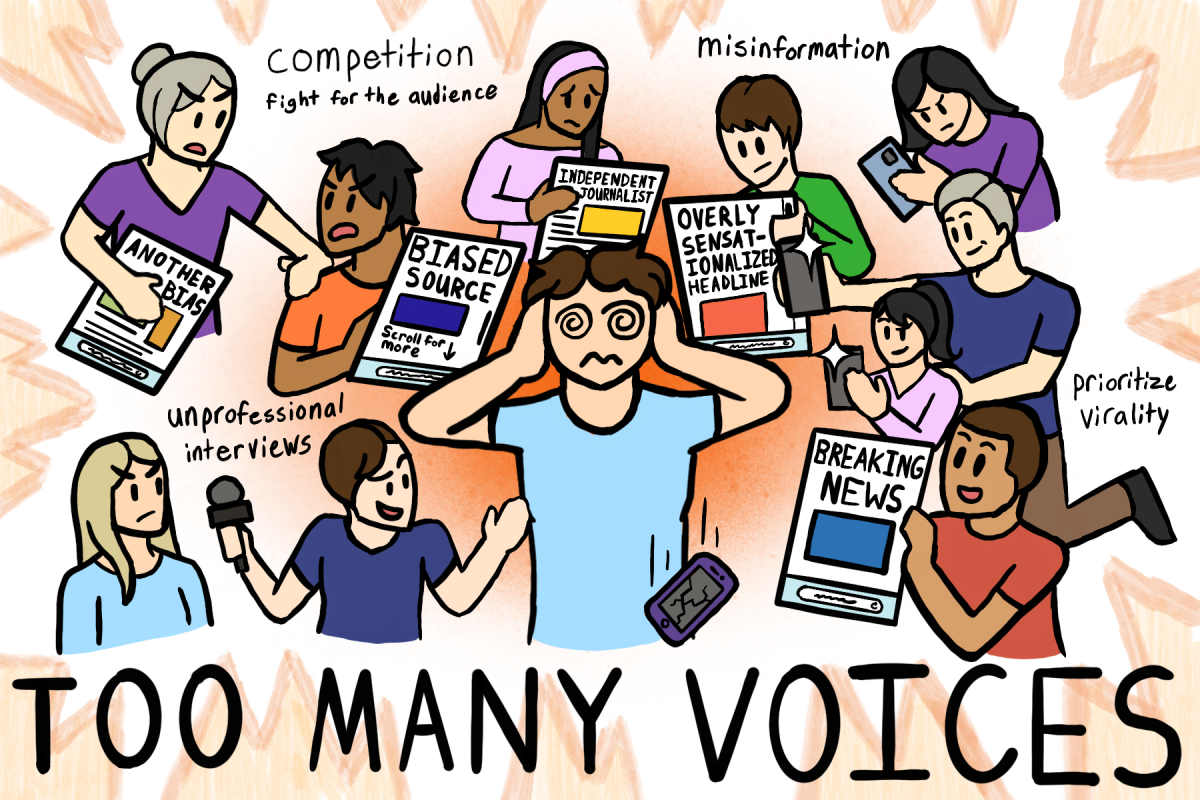
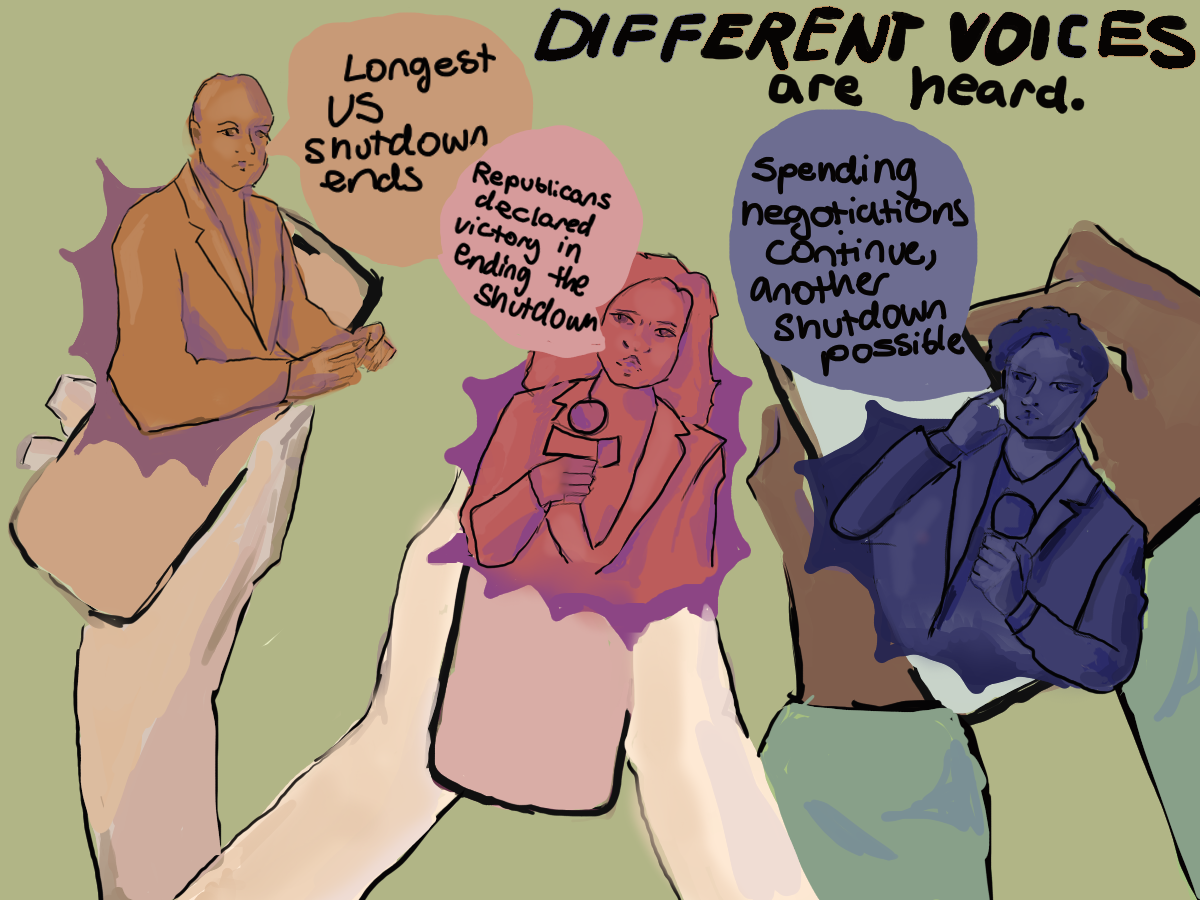

Social media is a playground for alternative media, or non-mainstream news sources that cover overlooked topics, to thrive. While mainstream media is tethered by millionaires, funders and corporations, social media does not have to follow the same restrictions. To America, social media has been a breath of fresh air in the dusty attic that is political discourse.
Pew Research found in 2022 that nearly half of 18-27-year-olds distrust mainstream media; it comes as no surprise that the youth increasingly relies on scrolling social media for their daily news instead.
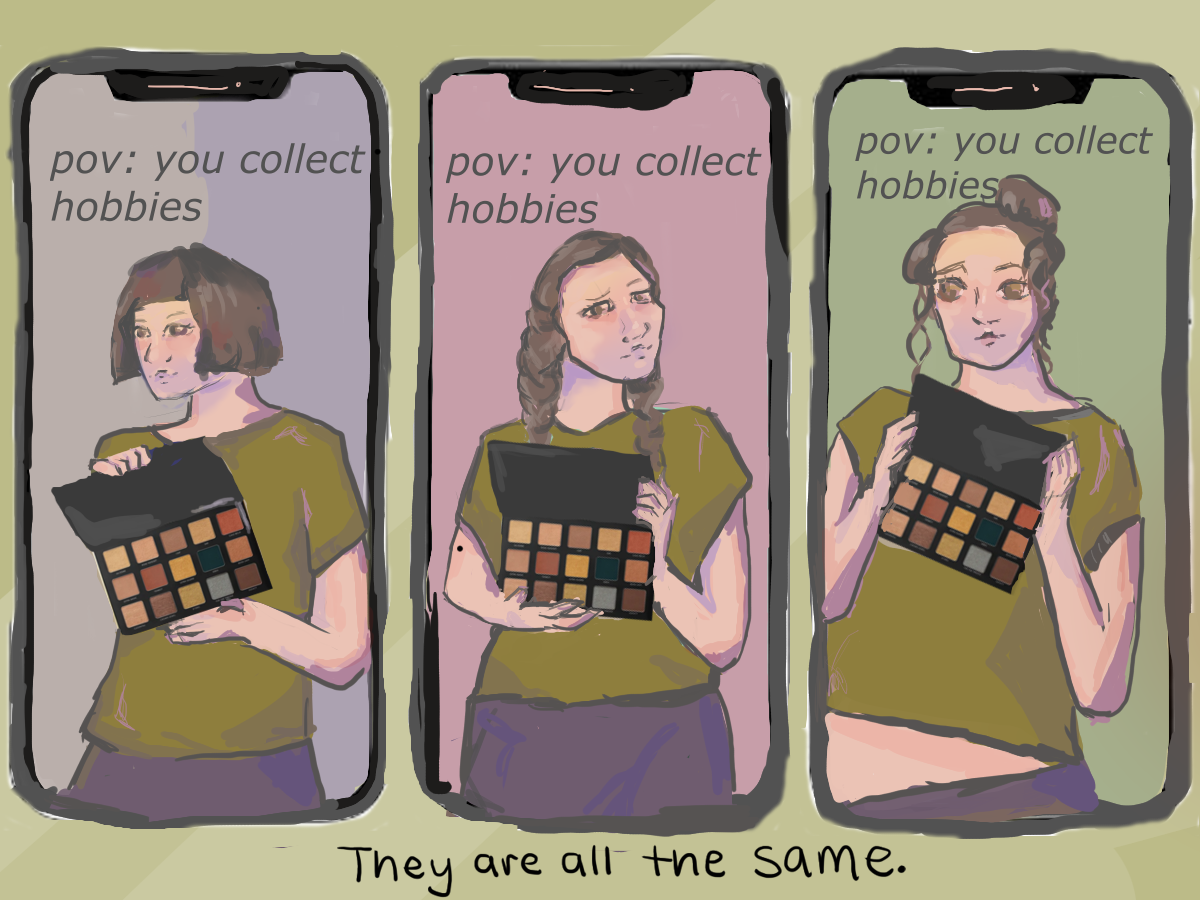
Media consolidation in America has reached its final form where large but few companies own all mainstream media, damaging media integrity. The majority of media is controlled by a handful of dominant companies, putting the voice of media in the hands of few and allowing them to create a profitable monopoly.
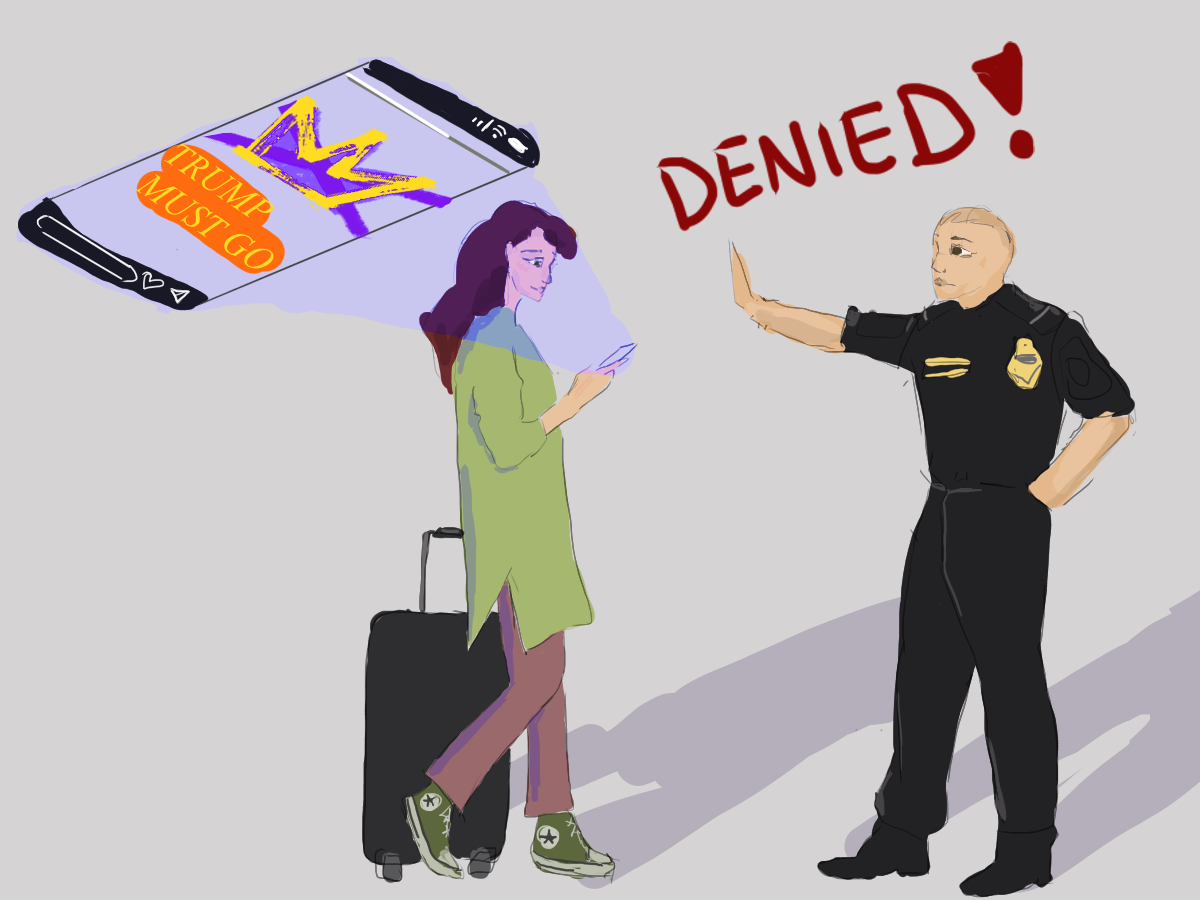
However, capitalistic monopolization is not the only factor that contributes to the ‘sameness’ of mainstream media. The federal government has suppressed the views they do not agree with through costly lawsuits, defamation claims and bans, according to the 2025 ACLU article titled “Trump’s Attacks on Press Freedom Escalate: NPR, PBS Funding Cuts Explained.”
A recent example of what happens when journalists do not abide by the views of the federal government is the post-Charlie Kirk assasination crackdown on speech.
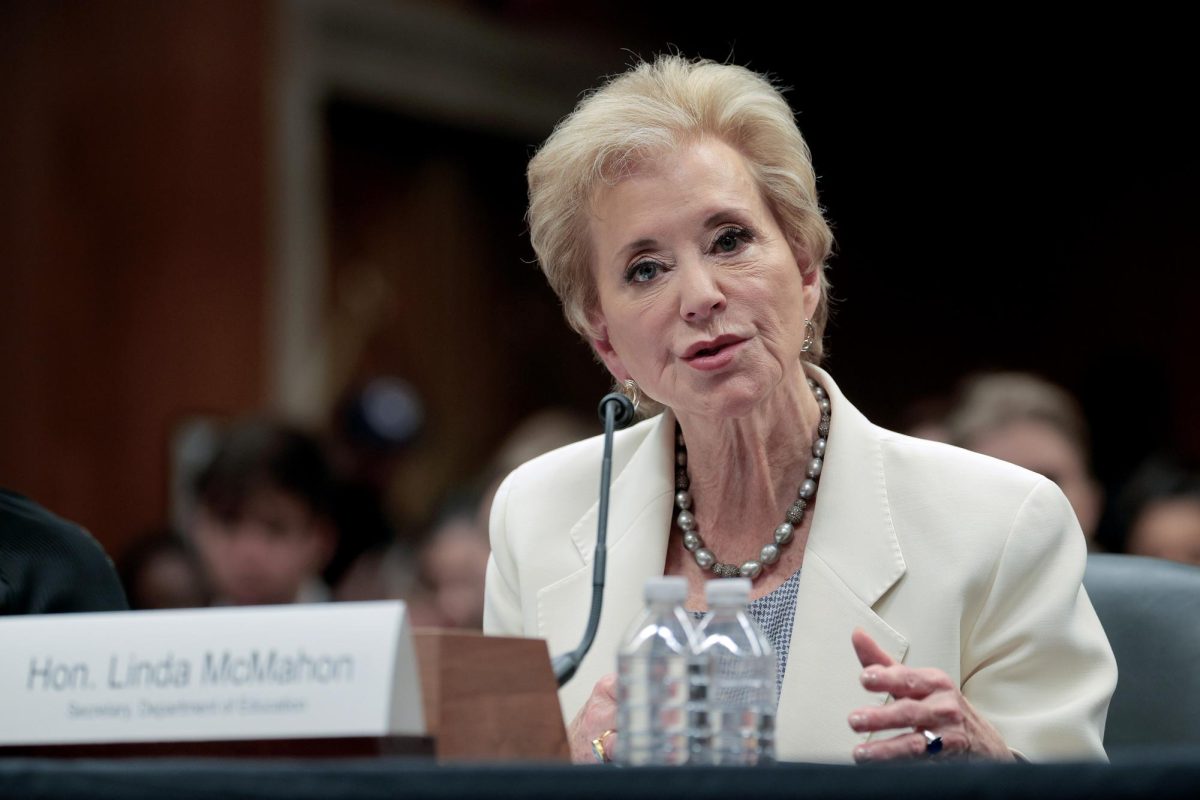
According to BBC’s 2025 article “ABC takes Jimmy Kimmel off air over Charlie Kirk comments,” the Federal Communications Com- mission (FCC) threatened to act against ABC for a late show hosts’ comments that acknowledged this reality, resulting in the temporary removal of the host.
All of these events point to a mainstream media environment where dissent is heavily controlled by the federal government. The social media outcry created pressure that led to the negotiation that brought back the ABC late night host.
While the federal government attempts to suppress similar views expressed on social media by consolidating social media company control to American hands through lawsuits, the nature of social media has made it far more difficult to suppress than traditional media. Social media companies often operate in different nations, unable to be regulated by federal guidelines.
The Trump administration aims to suppress anti-Israeli sentiment to validate its weapons transfers and involvement in Israel, according to a White House release on Jan. 30. As a result, mainstream media sources have a tendency to focus on Israel’s suffering in the war rather than Palestinians, propagating bias and keeping the latter from being adequately represented in media coverage as well as removing meaningful historical context. This phenomenon is due to monetary incentives, according to the article “How pro-Israel groups shape global media coverage of Palestine” published by Declassified UK.
Social media does not have the same money-related influences that cause these inherent biases. In fact, it is the polar opposite in political views, according to Northeastern Global News’ 2024 article. Pro-Palestinian posts significantly outnumbered pro-Israeli posts on TikTok. It echoes the U.S. public support for Israel in general, where only 32% of Americans approved of Israel’s conduct in Gaza according to a Gallup polling in 2025, a number that has steadily been dropping.
Social media not only battles biases of mainstream media, but also generates its own quality news coverage. Alternative media on social media often comes in the form of investigative journalism that is unique in its effect of humanizing victims. A prime example is the YouTube channel “Boy Boy,” which interviewed Mambu Habib, a survivor of the Central Intelligence Agency’s (CIA) legalized torture subsequent to 9/11 in Guantamano Bay; it was a story that went unacknowledged by mainstream media.
Similarly, journalists Kristo Langker and Kirsten Felice create YouTube videos that humanize the thousands of indigenous Papuans who have fled and lack basic needs due to the bombings by Indonesian security forces.
All this work humanizes the victims of tragedies whilst mainstream media fails to cover their stories, reporting that is often done by ordinary people. Social media allows close access to participating journalism; in simpler terms, anyone can be a reporter.
The accessibility is unmatched — no printing press, writing skill or job title required. All that is needed is the phone in one’s pocket.
It is possible to think of social media not as an entirely different journalistic avenue, but rather completely intertwined with mainstream media and the way that it functions. In the modern age, these two are explicitly connected and create a more diverse journalistic landscape.
In the same way that a diverse diet is healthy, diverse media is what keeps democracy alive. It is the lifeblood of our freedom. In a world today where all media is scrutinized but mainstream media most of all, social media is the last hope to continue the media diversity America needs.
This story was originally published in the January 2026 Eagle Eye print edition.