![[Opinion] National news media over sensationalizes hurricanes to drive profit](https://eagleeye.news/wp-content/uploads/2025/07/3abaa47b-9e20-434b-8487-c0390312c9b7-1200x750.png)

It is a well-known fact that Floridians tend to stubbornly downplay the impact of hurricanes, measuring the hurricane’s intensity on whether or not their local Waffle House is closing in anticipation of the storm’s arrival. However, on the opposite spectrum, Northerners lose their minds at videos of news anchors struggling to stand upright as wind and rain moves sideways.
Neither are entirely correct. There are countless stories of Floridians who defied mandatory evacuations in favor of staying in their home who ultimately needed rescuing after storm surges placed them in danger. Yet often, hurricanes are not quite as bad as non-Floridians are led to believe.
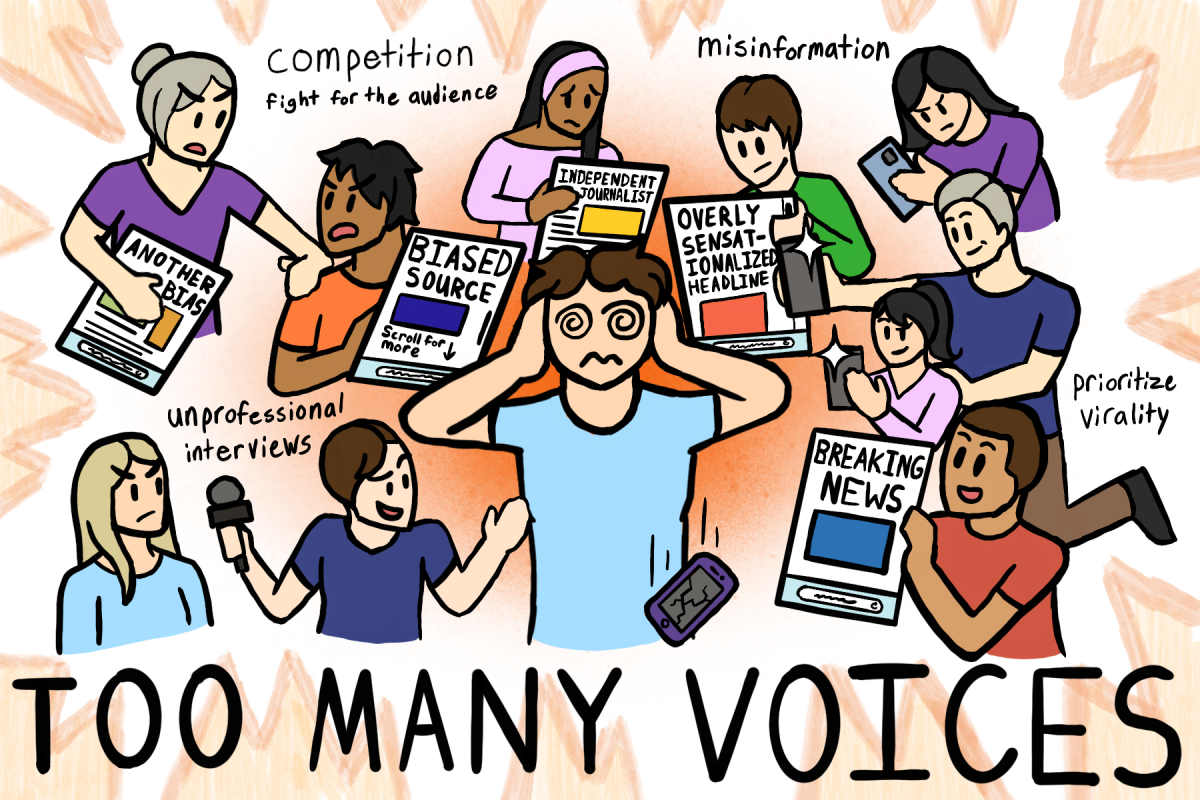
National news media organizations tend to overexaggerate and over sensationalize hurricanes in an attempt to draw in viewers who do not typically experience hurricanes.
They create a spectacle, drawing in audiences with dramatic headlines, horrifying graphics and footage of reporters battling brutal winds on live TV. Words like “catastrophic” and “historic” dominate headlines, even if the storm is days out or predicted to weaken. Viewers across the country cannot escape the 24/7 news cycle zeroing in on a hurricane; it is the top post on social media and the first thing they see when they turn on the TV.
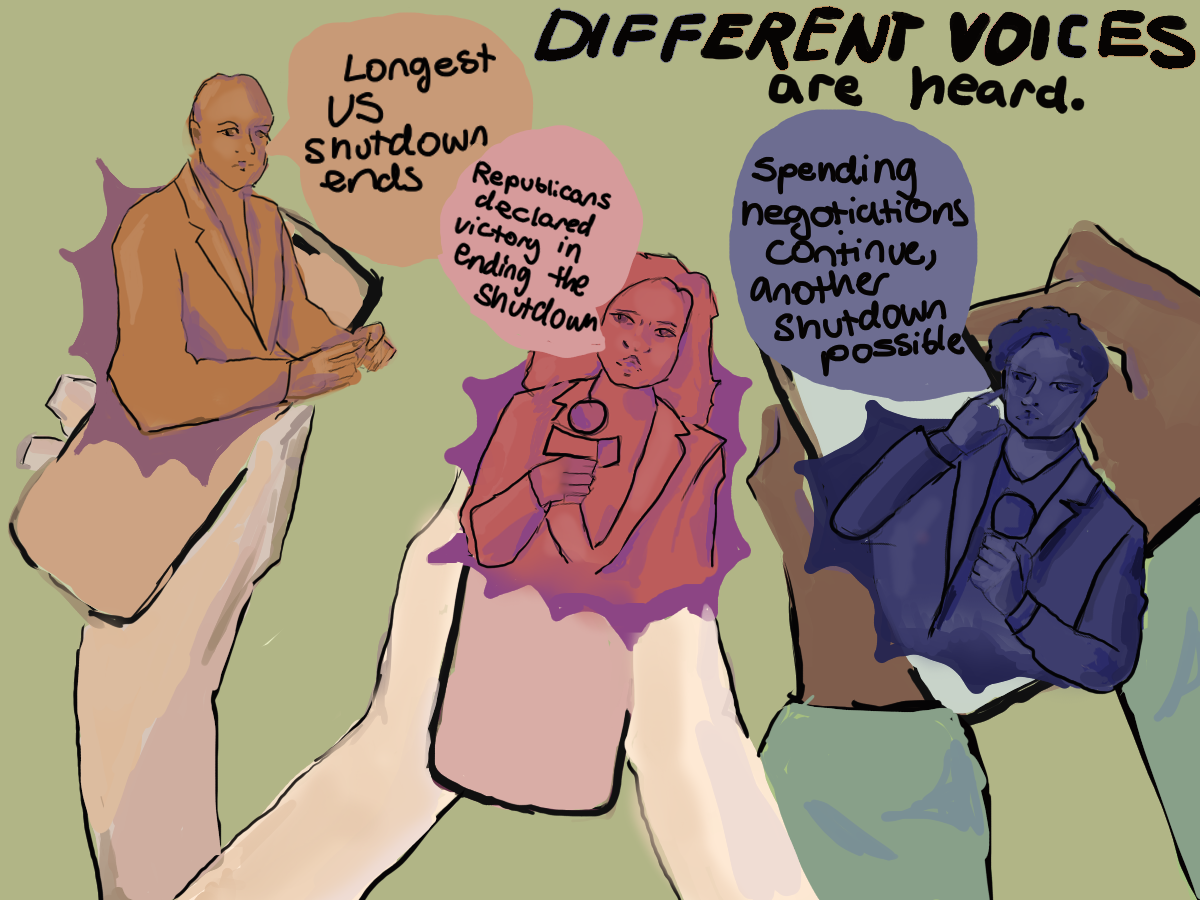
This is journalism by its design. It is a concept known as “gatekeeper journalism,” meaning the news decides what issues people care about by selectively choosing what to cover and focus on. For example, the majority of Americans know and care about the mishandling of private military information by Defense Secretary Pete Hegseth because the news constantly covered it for days.
However, this directly creates harm by driving panic when the media decides hurricanes are the issue to care about. Hurricanes become inescapable from the time national news discovers their existence—typically days after Floridians learn and begin tracking them—and the coverage does not end after they hit either.
After a major hurricane, news organizations continue to drive interest in hurricane forecasts by running headlines about new developments in the Atlantic. However, new developments in the Atlantic happen all the time during hurricane season, especially when conditions are right; most ultimately never develop, weaken after reaching cooler water or wind shear or never make landfall.
Despite this fact, national news media often runs headlines about a “possible Category 5 hurricane” as hurricanes dominate public attention, when there is little-to-no credible threat of destruction or even landfall.
These headlines are fear mongering—the act of deliberately inciting public fear or alarm about an issue—because fear is profitable. The public’s continued attention on hurricanes creates clicks and views—and thus profit—for national news organizations, a multi-billion dollar industry. The more interesting they make hurricanes seem, the more people are willing to tune in.
By focusing on generating clicks through exaggerated images and videos, news organizations avoid covering what may truly help the public. During a hurricane, people in the storm’s path need to understand a hurricane’s track, intensity and whether or not they should evacuate. Instead, they are greeted with terrifying headlines of a “historically catastrophic” storm.
Local news organizations, on the contrary, prioritize helping the people in their area prepare for the storm without fear mongering, so much so that the chief meteorologist for ABC Tampa, Denis Philips, has a rule to not freak out. This coverage allows people to make the best decision regarding preparation and evacuation.
National news media should follow the model that local news provides by prioritizing realistic coverage based on tracks and predictions from the National Hurricane Center over profit.
This story was originally published in the May 2025 Eagle Eye print edition.