![[Opinion] People who disregard political nature of reading contribute to current issues](https://eagleeye.news/wp-content/uploads/2025/07/Reading-political-1200x800.png)

Shortly after the 2024 presidential election, people took to social media to express their feelings about the results. One TikTok user by the name of Mia (@miareads682) decided to post a list of authors alongside the presidential candidate they allegedly voted for. The goal of the list was to provide a way for the book community on TikTok, or BookTok, to be able to choose which authors to support following the election, since people held such strong opinions about the candidates.
The list unintentionally sparked heated discussions over whether the BookTok community should be involved in politics, and caused some mentioned authors to be dropped by their publishing houses. As a result, many people on the platform argued that BookTok is supposed to be a space for individuals to share their love of reading, and that politics should not be involved in such a hobby.
This idea, however, blatantly disregards the history behind reading—the act of reading itself is inherently political. Additionally, the mindset that reading should be treated as any other hobby promotes many of the problems faced today, such as censorship.
Books are a powerful form of expression. Authors are given a voice by being able to publish their work, and the audiences of those books are able to engage with stories to form opinions and educate themselves. Many authors also use novels to delve into the political issues they recognize in society. Thus, this influential tool has been pushed back against throughout history by people who want to stop others from utilizing it.
The most prominent and extreme example of this is the book burnings committed during the Holocaust by Nazi student groups. Works written by Jewish, liberal and leftist writers were thrown to the flames, while the Nazis condemned them for opposing their ideologies.
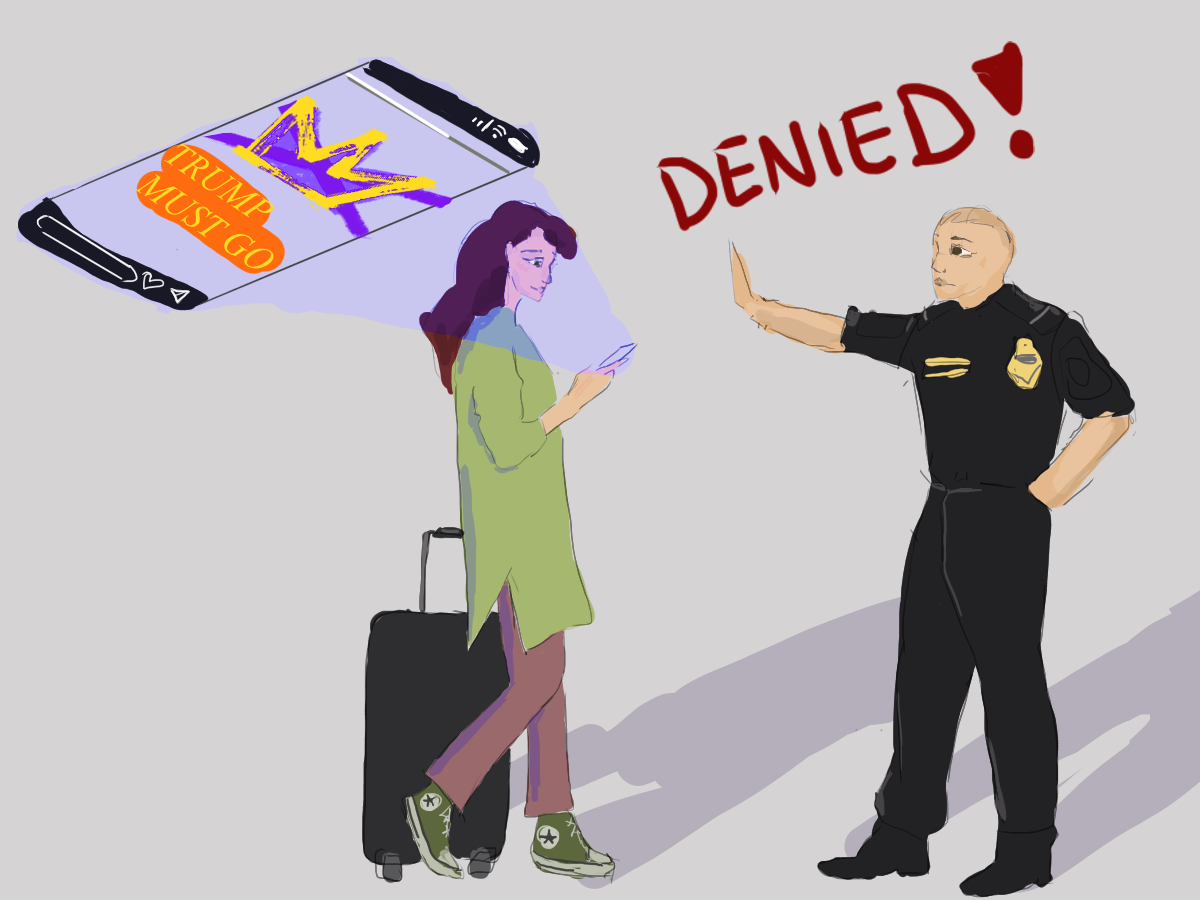
Censorship of books also exists in the present day. Book bans are happening across the United States, in places such as Texas, Missouri and South Carolina. They are even found in different countries around the world like China and Iran. Some may be put in place to make sure kids are not reading books inappropriate for their age, but others are put in place simply to push political agendas by censoring opposing viewpoints.
According to a 2024 CBS article, hundreds of books have been banned in different Florida school districts, including in Broward County Public Schools. The Handmaid’s Tale and The Perks of Being a Wallflower are among those banned in different districts. Many of these novels cover sexual topics and the experiences of LGBTQ+ individuals.
Even though books containing sexual scenes are not appropriate for students in school, especially younger ones, the censorship of LGBTQ+ content in books silences the voices of LGBTQ+ authors and blocks access to their perspectives.
Some may argue that books themselves are not inherently political, but rather that it is the events surrounding them that make them political. This is not the case for a lot of novels though; for example, those of the dystopian genre are explicitly political.
Dystopian books’ entire gimmick is that they are commentaries on or warnings about what society could become with new technology or the exacerbation of prevalent problems. Many of these books have messages infused with very political topics.
When people ignore the history of reading or the messages behind certain pieces of work, they are not only disrespecting the medium but are allowing a lot of the issues being faced today to prevail. By ignoring the political nature of reading people choose not to engage with real world issues, which can permit others to continue to censor works and deny people access to different stories and viewpoints.
Reading is not just a hobby to some: it is their source of education and their voice. Being able to ignore issues is a privilege in and of itself, and while people have the option to choose whether or not to engage with politics, they should never stop others from doing so. Ignoring these issues allows them to fester and eventually become normalized.
This story was originally published in the March 2025 Eagle Eye print edition.