![[Opinion] TikTok's temporary ban sparks panic and threatens free speech](https://eagleeye.news/wp-content/uploads/2025/07/tC18HOkDjABHVQJ5tX4MaXOkqn9YGuH7LU2aa8bL-1200x800.png)

On Saturday, Jan. 18, the United States Supreme Court unconstitutionally suspended one of the most popular social media platforms in the world: TikTok.
Because the app is owned by the Chinese company ByteDance, the U.S. reasoned that banning it would protect users from “foreign adversaries.” However, this completely disregards U.S. citizens’ First Amendment rights, given that TikTok is not just entertainment, but rather a forum for free speech.
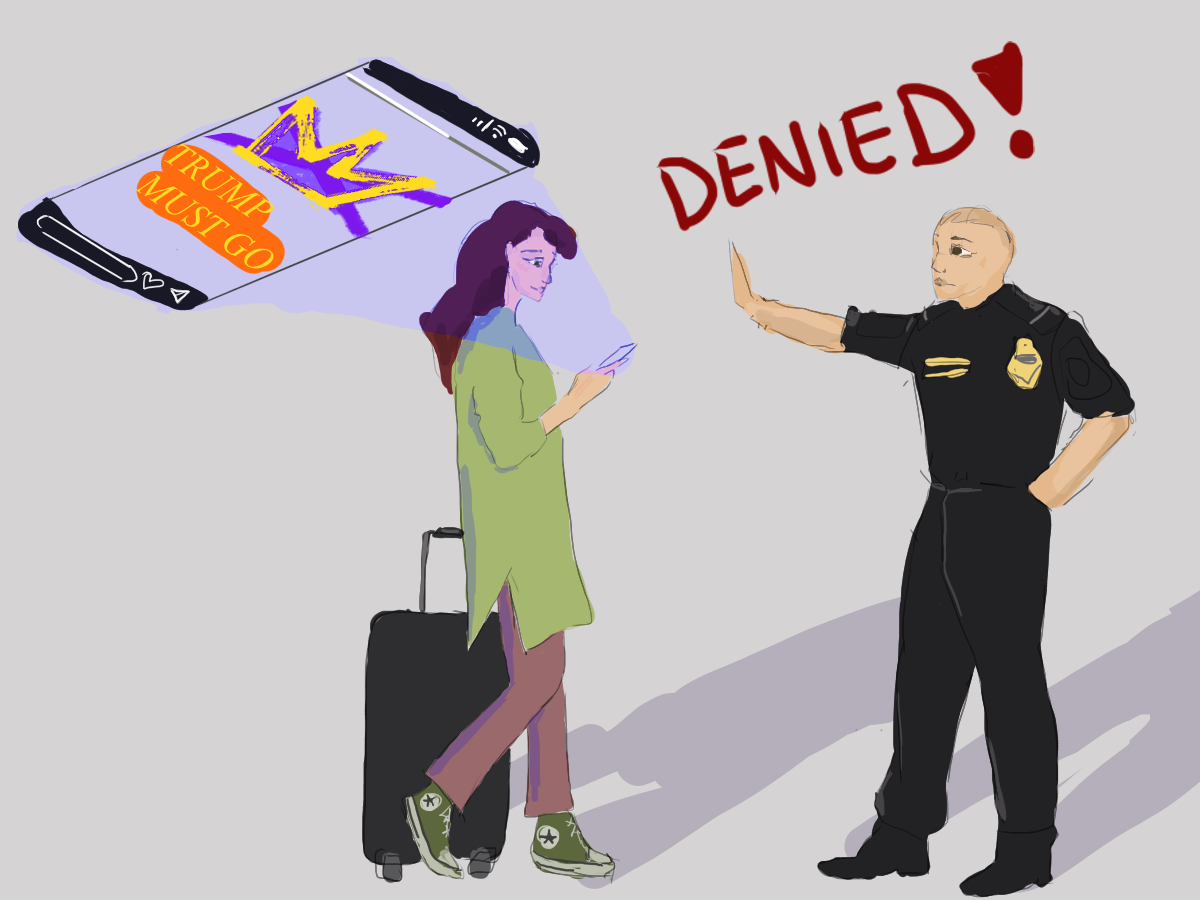
Banning TikTok would be a direct attack on free speech. The social media platform is a space for people to voice their opinions, support causes and even start businesses. Many users rely on TikTok to express themselves and discuss important topics such as social justice, mental health and politics.
The First Amendment ensures that every U.S. citizen has the right to free expression and shutting down TikTok would take away that right from over 170 million Americans who use the platform. Beyond free speech, TikTok plays a crucial role in the economy. The app has over 1 billion active users, giving businesses a chance to reach huge audiences.
Many entrepreneurs rely on the app to market their products, gain customers and grow their brands. According to a 2023 report on Businesswire, over 78% of small businesses have reported gaining new customers due to the potential for virality the platform provides. Removing the app would destroy a major source of income for the many people who depend on it for their businesses.
TikTok is also a huge platform for advertising, helping both small and big businesses reach their target audiences. What makes TikTok different is that it blends entertainment with marketing, so that users do not feel like they are just watching regular ads. Instead, they see content that feels natural and fun. Unlike regular ads, TikTok’s algorithm helps businesses connect with the right people, based on their interests.
Without the app, many companies, especially the small ones, would struggle to find an affordable way to grow. Thus, banning TikTok would effectively put many of these small business owners out of a job.
During the COVID-19 pandemic, TikTok helped people stay connected while the world was in lockdown. It allowed users to share their experiences, support each other and find entertainment during difficult times.
Even now, TikTok continues to bring people together, helping users form friendships, learn new skills and engage in different cultures. In an era where social media plays such a big role in daily life, banning TikTok would cut off a major way people interact online.
TikTok has had a huge impact on music, fashion, dance and even news. Many of today’s biggest songs became popular because of the platform. For example, songs like “Die With A Smile” by Lady Gaga and Bruno Mars and “Espresso” by Sabrina Carpenter have become widely popular songs thanks to TikTok trends.
Even the manner in which people get their news has changed due to TikTok: many people turn to the platform for news and quick updates on current events. According to Pew Research Center, in September 2024, nearly 4 in 10 young adults in the U.S. reported regularly getting their news from TikTok.
Banning TikTok means an entire generation may be left uninformed on very important global and national events.
As of now, TikTok’s future remains uncertain. The company has until April 4 to be sold, or else it risks being banned again.
One proposed solution has been to give the U.S. government ownership over 50% of TikTok’s U.S. business. This just creates a bigger problem though.
If the government were to control TikTok, free speech would be even more at risk. Government ownership could lead to greater censorship on the platform, limiting what people are allowed to say. Facebook was not banned when it was confirmed that the platform had data sharing agreements with Chinese firms, but TikTok should be?
Instead of dedicating time to banning a beloved platform that ensures small brands stay in business, Americans can exercise First Amendment rights and teens can stay informed, the government should consider refocusing its attention to more pressing issues.
This story was originally published in the March 2025 Eagle Eye print edition.